

Metabolomics + Transcriptomics Integration: Why Results Disagree and How to Interpret With a Validation Roadmap
Submit Your InquiryIntegrating metabolomics with transcriptomics is one of the most direct ways to connect molecular changes to biological mechanisms. Yet many teams searching for metabolomics transcriptomics integration, multi-omics discordance, or transcriptome metabolome integration run into the same challenge:
- RNA-seq suggests a pathway is "up," but metabolites look unchanged—or even move in the opposite direction.
- Metabolites shift strongly, while gene expression appears flat.
- A pathway looks "mixed," with upstream nodes rising and downstream nodes falling.
This article explains why that happens and provides a practical interpretation framework plus a validation roadmap that helps you move from confusing signals to testable, publishable insights—without over-claiming.
Who this resource is for
- Biomedical and translational researchers integrating RNA-seq with LC–MS/GC–MS metabolomics
- Discovery teams building mechanism hypotheses and planning follow-up experiments
- Biotech/CRO users who need defensible interpretation and a clear validation plan
The three discordance patterns to classify first
Most apparent disagreements fall into three patterns. Classifying your result early keeps troubleshooting focused and prevents "random validation."
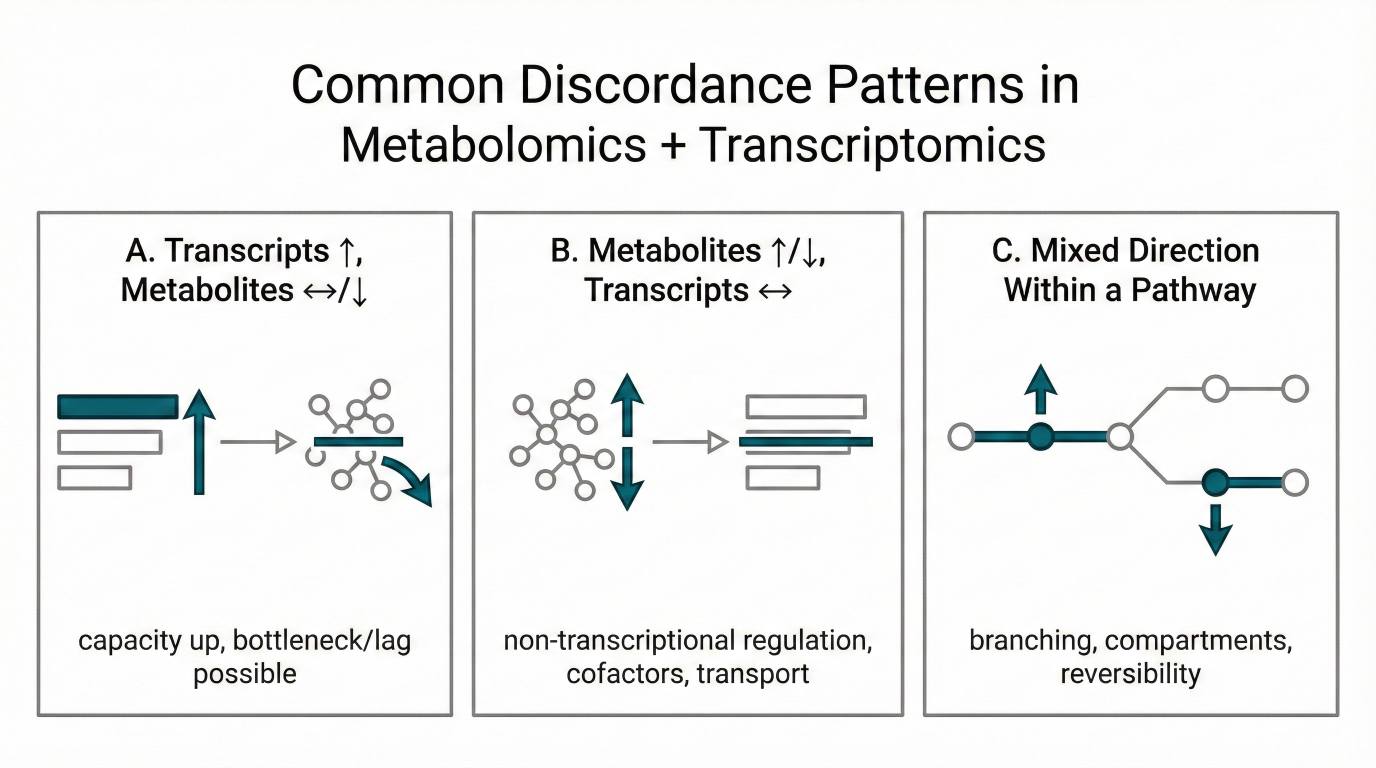 Figure 1. Pattern recognition helps you interpret disagreements
consistently and choose the right validation tier.
Figure 1. Pattern recognition helps you interpret disagreements
consistently and choose the right validation tier.
Transcripts up, metabolites unchanged or down
Often indicates increased "capacity" at the gene-expression layer, but a bottleneck, substrate limitation, feedback inhibition, transport constraint, or time-lag prevents pools from rising.
Metabolites shift, transcripts stay flat
Often indicates regulation beyond transcription: allosteric control, cofactor/energy/redox state, transport, or environmental inputs (diet, media).
Mixed direction within a pathway
Often indicates branching, compartmentalization, reversible reactions, or pathway-definition ambiguity.
Before interpreting: make sure you are comparing like with like
A large portion of "discordance" is avoidable. Treat these as non-negotiable checks before you build a story.
Study design alignment
- Same biological sample? Ideally paired: same subject, tissue region, condition, and timepoint.
- Timepoint logic: RNA responses can peak early while metabolites buffer or stabilize later.
- Metabolic context control: fasting status, media composition, oxygen tension, handling delays.
Annotation and mapping alignment
- Gene IDs: Ensembl vs gene symbol; isoform vs gene-level summarization.
- Metabolite IDs: isomers and adducts can change interpretation.
- Pathway definitions: KEGG vs Reactome vs other sets will alter "overlap."
Processing alignment (high-impact)
- Transcriptomics: normalization + covariates (batch, RIN, sex, composition).
- Metabolomics: drift correction, normalization choice, missingness mechanism, QC thresholds.
If you need a metabolomics-first QC and processing workflow (often the quickest way to remove false contradictions), start with:
Why "genes up" doesn't always mean "metabolites up"
A compact way to explain this in a report:
- Transcripts reflect regulatory intent and potential capacity (what the system is preparing to do).
- Metabolites reflect current state (pool sizes, redox/energy balance) and sometimes proxy throughput—but pools can be buffered.
- Between them sit multiple layers: translation, enzyme activity, transport, cofactors, feedback, compartments, and time.
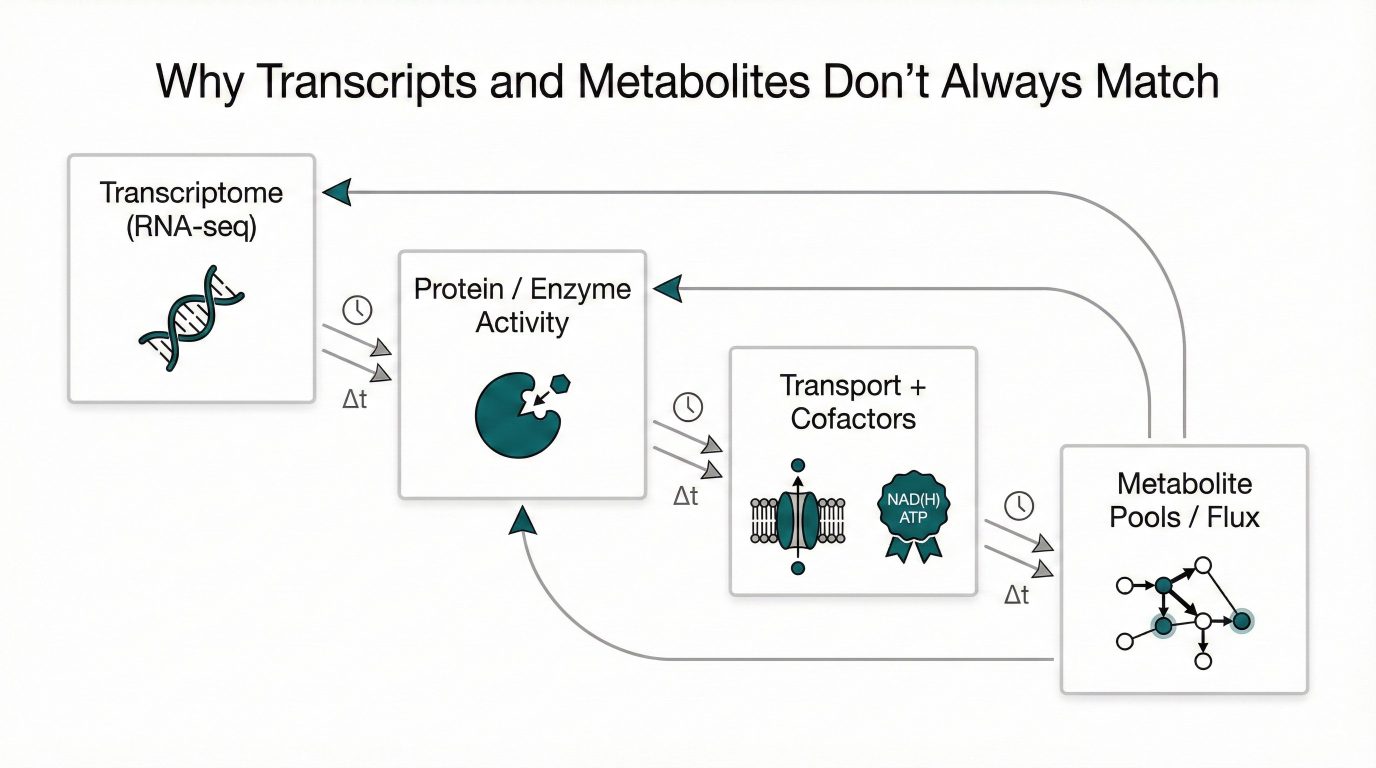 Figure 2. Metabolites are downstream of several regulatory layers, so
discordance can be real biology, not an error.
Figure 2. Metabolites are downstream of several regulatory layers, so
discordance can be real biology, not an error.
A practical interpretation table: pattern → likely causes → next checks
Use this as a fast triage tool. It translates discordance into testable hypotheses and suggests a minimum set of next steps.
| Pattern you observe | Likely biological explanation | Common technical/analysis explanation | Best next checks |
|---|---|---|---|
| Transcripts ↑, metabolites ↔/↓ | bottleneck step; substrate limitation; cofactor constraint; feedback inhibition; time-lag | missing pathway nodes in coverage; wrong timepoint; annotation ambiguity | confirm pairing/timepoints → check substrate/product ratios → targeted confirmation |
| Metabolites ↑/↓, transcripts ↔ | allosteric regulation; redox/energy shifts; transport effects; environmental inputs | drift/batch; MNAR missingness; normalization artifacts | QC sensitivity analysis → targeted quantification → time-course or perturbation |
| Mixed direction in pathway | branching; compartmentalization; reversibility; pathway overlap | pathway boundary differences; thresholding effects | node-level mapping → branch-specific markers → validate control point |
Biological causes of discordance (what it can mean)
Regulation beyond transcription
Enzyme function can diverge from mRNA because activity is shaped by:
- post-translational modifications,
- inhibitor binding,
- protein stability and turnover.
How to interpret: transcripts suggest a shift in capacity, but metabolite pools may not move unless enzyme activity or substrate supply also changes.
Substrate availability and transport constraints
Many pathways are limited not by enzyme expression but by substrate delivery or transport/exchange. Even strong transcriptional signals may not translate to metabolite accumulation if uptake is constrained or export increases.
How to interpret: consider transporter genes and boundary metabolites (uptake/excretion) as potential control points.
Cofactors, energy, and redox state
Cofactor availability can shift reaction directionality without obvious transcriptional changes. Ratio-based readouts often reveal this better than absolute abundances.
How to interpret: prioritize ratio logic (substrate:product, energy/redox proxies) when pool sizes are buffered.
Time-scale mismatch
RNA changes can be transient; metabolite pools can lag, overshoot, or stabilize. One timepoint can capture different phases of the response.
How to interpret: a minimal time-course can resolve many "contradictions" that are actually kinetics.
Compartment and cell-type mixture
Bulk samples mix cell types and compartments. Central carbon metabolism is particularly sensitive to compartment effects (cytosol vs mitochondria).
How to interpret: be careful with strong mechanistic claims in heterogeneous tissues unless you have composition estimates.
Technical and analytical causes (what it can fake)
Pre-analytical variation
Metabolites are sensitive to quenching delay, freeze–thaw cycles, storage conditions, and extraction consistency.
Platform coverage and identification limits
Untargeted metabolomics often misses intermediates and can struggle with isomers, creating "gaps" that make overlap with transcriptomics look weaker than it is.
If your goal is to map broad pathway shifts before deciding what to validate, you typically start with discovery coverage:
Missing values and normalization artifacts
Imputation can introduce direction flips, especially when missingness is MNAR (below detection). Normalization can also change conclusions if it unintentionally captures biological variance (e.g., total ion normalization in a global shift scenario).
A companion resource that helps reduce these errors:
A step-by-step framework to interpret discordance consistently
Classify the pattern and state the most defensible conclusion
Use language that distinguishes capacity from state, for example:
- "Transcriptomic signals suggest increased capacity in pathway X."
- "Metabolite ratios/pools suggest a bottleneck near node Y."
- "This pattern is consistent with regulation beyond transcription and motivates targeted validation."
Move from pathway enrichment to node-level logic
Pathway enrichment is a useful overview, but discordance resolution requires node-level inspection:
- enzymes (or enzyme-encoding transcripts),
- substrate/product pairs,
- branch points,
- transport steps.
Decide whether your claim is about pool size or throughput
A pathway can run faster while pools remain constant. If you intend to claim "pathway activity" rather than "pool change," plan validation that supports throughput (time-course, perturbation, or tracing).
Validation roadmap: choose the minimum evidence needed for your claim
You don't need every validation method. You need the minimum tier that matches your claim strength.
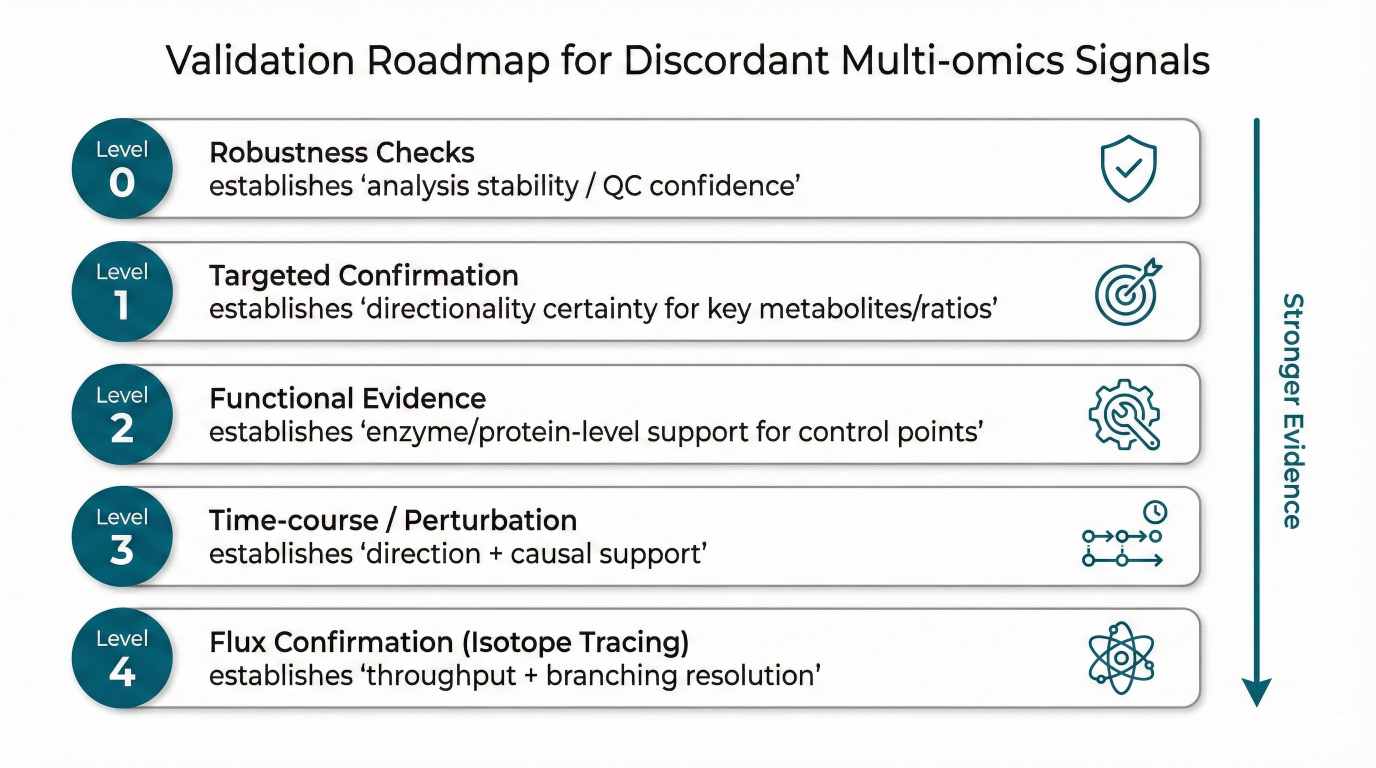 Figure 3. A tiered roadmap keeps validation proportional: confirm
signals first, then strengthen mechanism only as needed.
Figure 3. A tiered roadmap keeps validation proportional: confirm
signals first, then strengthen mechanism only as needed.
Level 0: Robustness checks (analysis-first)
- Confirm sample pairing and metadata integrity.
- Re-run sensitivity checks (normalization choices, missingness strategy).
- Verify that discordance persists across reasonable pipelines.
Level 1: Targeted confirmation (increase measurement certainty)
Confirm directionality for:
- the most informative metabolites and ratios (substrate→product; energy/redox proxies),
- a focused set of transcripts (or qPCR validation for top candidates).
For validation-grade quantification of key metabolites/ratios:
Level 2: Functional layer evidence (enzyme/protein activity)
Add enzyme activity assays or targeted protein quantification when you need stronger support for a bottleneck/control-point claim.
Level 3: Time-course and perturbation (support causality)
- Time-course sampling resolves time-lag explanations.
- Perturbation (substrate add-back, inhibitor, knockdown/overexpression) supports directionality and mechanism.
Level 4: Flux confirmation (resolve pool vs flux ambiguity)
Stable-isotope tracing clarifies throughput and branching—especially when pool sizes are buffered and interpretation hinges on flux.
If you want an end-to-end integrative plan that connects experimental design, processing, and interpretation across layers:
What strong integration deliverables look like
A high-utility report usually includes:
- discordance classification per pathway (pattern-based),
- ranked candidate control points (bottlenecks/transport/cofactor),
- a validation shortlist with experiment-ready recommendations,
- publication-ready visuals (node-level maps + evidence tables + roadmap).
If you are deciding which multi-omics combination fits your question and constraints, see:
For a broader end-to-end perspective that connects design → analysis → publishable outputs, see:
- Multi-omics Integration: Practical Guide From Study Design to Publishable Insights
Frequently Asked Questions (FAQs)
Why are pathway genes upregulated but pathway metabolites unchanged or decreased?
This most often reflects regulation beyond transcription: a bottleneck step, limited substrate supply, cofactor/energy constraints, feedback inhibition, or a time-lag between RNA response and metabolite pools. Start by checking key substrate→product ratios and confirming the most informative metabolites with targeted assays.
Does discordance mean one dataset is wrong?
Not necessarily. True biological regulation frequently produces discordance because metabolite pools are buffered and controlled by enzyme activity, transport, and cofactors. First rule out technical causes (pairing, drift, missingness, normalization sensitivity). If discordance persists, treat it as a hypothesis signal rather than an error.
How do I interpret metabolite changes with no differential expression in RNA-seq?
Metabolite shifts without transcript changes often indicate allosteric regulation, redox/energy state changes, transport effects, or environmental inputs (diet/media). Prioritize ratio-based indicators and boundary transport steps, and confirm key metabolites using targeted quantification before making mechanistic claims.
Should I add proteomics to resolve metabolomics–transcriptomics discordance?
Proteomics helps when the main uncertainty is enzyme abundance, but it is not always required. Many cases can be resolved with targeted metabolite ratios, enzyme activity assays, and time-course or perturbation experiments. Add proteomics when multiple enzymes compete for the same control point or when protein abundance is central to the claim.
What is the minimum validation needed to support a mechanistic claim from integrated omics?
It depends on the claim. For directional pathway involvement, targeted confirmation of key metabolites/ratios plus a focused transcript panel is often sufficient. For bottleneck/control-point claims, add functional evidence (enzyme activity or targeted protein). For causal statements, use time-course and perturbation; for throughput claims, consider isotope tracing.
How should I handle missing values in untargeted metabolomics when integrating with RNA-seq?
First determine whether missingness is below detection (MNAR) or random (MAR). Avoid one-size-fits-all imputation; run sensitivity analysis using reasonable alternatives and confirm conclusions are stable. For key nodes driving interpretation, use targeted assays to reduce missingness and improve confidence.
References
- Di Filippo, M., Pescini, D., Galuzzi, B. G., Bonanomi, M., Gaglio, D., Mangano, E., et al. "INTEGRATE: Model-based multi-omics data integration to characterize multi-level metabolic regulation." PLoS Computational Biology 18(2) (2022): e1009337. https://doi.org/10.1371/journal.pcbi.1009337 (PLOS)
- Rohart, F., Gautier, B., Singh, A., & Lê Cao, K.-A. "mixOmics: An R package for ‘omics feature selection and multiple data integration." PLoS Computational Biology 13(11) (2017): e1005752. https://doi.org/10.1371/journal.pcbi.1005752 (PLOS)
- Argelaguet, R., Velten, B., Arnol, D., Dietrich, S., Zenz, T., Marioni, J. C., et al. "Multi-Omics Factor Analysis—a framework for unsupervised integration of multi-omics data sets." Molecular Systems Biology 14 (2018): e8124. https://doi.org/10.15252/msb.20178124 (Springer)
- Balcells, C., Foguet, C., Tarragó-Celada, J., de Atauri, P., Marin, S., & Cascante, M. "Tracing metabolic fluxes using mass spectrometry: Stable isotope-resolved metabolomics in health and disease." TrAC Trends in Analytical Chemistry 120 (2019): 115371. https://doi.org/10.1016/j.trac.2018.12.025 (ScienceDirect)
- Machado, D., & Herrgård, M. "Systematic evaluation of methods for integration of transcriptomic data into constraint-based models of metabolism." PLoS Computational Biology 10(4) (2014): e1003580. https://doi.org/10.1371/journal.pcbi.1003580 (PLOS)

 Contact Us