Metabolomics Creative Proteomics
Metabolomics Sample Submission Guidelines Inquiry

Gut Microbiome Metabolomics: From Discovery to Targeted Quantification

Identify "what they are doing" with precision metabolite profiling that links microbial activity to host physiology and disease mechanisms—from broad discovery to absolute quantification.

  • Comprehensive Coverage: Targeted panels for SCFAs, Bile Acids, Indoles, and broad-spectrum Lipidomics.
  • Flexible Solutions: Seamlessly transition from Untargeted Discovery to Targeted Absolute Quantification.
  • Mechanistic Clarity: Expert data interpretation including multi-omics (16S/Shotgun) integration and pathway enrichment.
  • Research-Ready Quality: Rigorous QC protocols ensuring high reproducibility for longitudinal and cross-cohort studies.
CONTACT EXPERT
  • Service Details
  • Case Study
  • FAQ
  • Publications
  • Submit Your Inquiry

Why Gut Microbiome Metabolomics?

Microbiome sequencing reveals who is there; gut microbiome metabolomics reveals what they are doing. Microbial metabolism can shift rapidly in response to diet, drugs, probiotics, and xenobiotics—and functional changes may occur even when community composition changes are subtle.

What Can Gut Microbiome Metabolomics Answer?

Gut microbiota–derived metabolites are key mediators between microbes and the host. Our gut microbiome metabolomics services help you:

  • Identify global metabolic alterations associated with microbiome changes across conditions, diets, interventions, and timepoints
  • Discover differential metabolites and enriched pathways to generate actionable hypotheses and biomarker candidates
  • Quantitatively validate key functional metabolites (e.g., SCFAs, bile acids) using targeted absolute quantification for cross-batch comparability
  • Elucidate mechanistic links between microbiota composition and host phenotypes through metabolite-level evidence
  • Build analysis-ready datasets for cross-cohort comparison and integration, supported by standardized output tables (IDs + metadata)

Service Modules: From Discovery to Quantification

Choose one module or combine them into a unified gut microbiome metabolomics project plan.

Untargeted Gut Microbiome Metabolomics (Discovery Profiling)

Best for: hypothesis generation, biomarker discovery, pathway exploration

Typical outputs: feature/compound matrix; differential analysis and pathway enrichment (with analysis package)

Targeted Gut Microbiome Metabolomics (Absolute Quantification)

Best for: hypothesis testing, translational studies, reproducible cohort comparisons

Typical outputs: concentration tables (with units), internal standards mapping, calibration summary, QC metrics

Gut Microbiome Lipidomics

Best for: lipid signaling, inflammation-related lipid pathways, host–microbe lipid interactions

Typical outputs: lipid class/species tables, differential lipids, lipid pathway interpretation (package-dependent)

Data Analysis & Interpretation Packages

  • Statistics & Visualization: PCA/cluster/volcano/heatmap + differential tables
  • Pathway Interpretation: enrichment + key metabolite narratives for reporting/manuscripts
  • Multi-omics Integration (Optional): microbiome (16S/shotgun) + metabolomics correlation networks

How to Choose the Right Microbiome Metabolomics Strategy (Selection Guide)

Your Goal / Pain Point Recommended Approach What You Provide What You Receive (Core Deliverable)
Explore global metabolic shifts and find candidates Untargeted metabolomics feces/intestinal contents ± plasma + group design discovery matrix + differential metabolites + pathways + figures
Validate a defined pathway with comparable numbers Targeted absolute quantification target panel/pathway + sample matrix concentration table + calibration summary + QC report
Focus on lipid-mediated signaling Lipidomics matrix + study context lipid tables + differential lipids + interpretation
Link microbes to metabolites Multi-omics integration paired microbiome + metabolomics data microbe–metabolite networks + key drivers
Not sure how to design/prepare samples Scientist consult + pre-study plan study goal + constraints sample checklist + risk assessment + recommended workflow

Common Gut Microbiome Metabolomics Project Types

These are common client requests for gut microbiome metabolomics. If you don't see your target metabolites, we can propose a custom panel aligned to your pathway and sample matrix.

SCFAs Quantification (Absolute)

Absolute quantification of short-chain fatty acids in feces and related matrices to evaluate fermentation and gut functional output.

Bile Acids Profiling and Quantification

Targeted quantification or broad profiling of primary/secondary and conjugated bile acids to study microbial bile acid transformations

Tryptophan Metabolism Panel (Indole Pathway)

Quantify key indole derivatives and related metabolites to support microbiome–immune and gut–brain axis studies.

Phenylalanine/Tyrosine Microbial Metabolites

Measure phenyl/tyrosine-derived microbial metabolites (e.g., phenyl acids, p-cresol-related compounds) for functional microbiome interpretation.

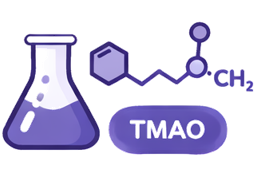
Choline–Carnitine–TMAO Axis

Quantify choline/carnitine-related metabolites (including TMAO) to investigate diet–microbiome–host metabolic links.

Drug–Microbiome Metabolism (Xenobiotics) Projects

Microbes can activate or inactivate xenobiotics, altering drug efficacy and generating downstream derivatives—gut microbiome metabolomics provides the measurable evidence layer for these interactions.

Organic Acids and Central Carbon Metabolism (Project-Dependent)

Profile key organic acids and metabolic intermediates for gut metabolic state assessment (scope confirmed per project).

Untargeted Discovery Followed by Targeted Validation

A common workflow: untargeted discovery to identify candidates, then targeted absolute quantification to validate key metabolites.

What Metabolites Can Be Analyzed in Gut Microbiome Studies?

Metabolite Class Typical Target Measurement Type Recommended Platform
SCFAs Acetic acid (acetate), Propionic acid (propionate), Butyric acid (butyrate), Isobutyric acid, Valeric acid, Isovaleric acid, Caproic acid (hexanoate) Targeted (Absolute) GC–MS
Organic Acids & Central Carbon Intermediates Lactate, Pyruvate, Succinate, Malate, Fumarate, Citrate, α-Ketoglutarate, Oxaloacetate, Formate Targeted / Untargeted LC–MS
Bile Acids (Primary/Secondary) Cholic acid (CA), Chenodeoxycholic acid (CDCA), Deoxycholic acid (DCA), Lithocholic acid (LCA), Ursodeoxycholic acid (UDCA), Hyodeoxycholic acid (HDCA) Targeted (Absolute) / Profiling LC–MS/MS (MRM)
Bile Acids (Conjugated) Taurocholic acid (TCA), Glycocholic acid (GCA), Taurochenodeoxycholic acid (TCDCA), Glycochenodeoxycholic acid (GCDCA), Taurodeoxycholic acid (TDCA), Glycodeoxycholic acid (GDCA), Taurolithocholic acid (TLCA), Glycolithocholic acid (GLCA), Tauro-UDCA (TUDCA), Glyco-UDCA (GUDCA) Targeted (Absolute) / Profiling LC–MS/MS (MRM)
Tryptophan Pathway (Indoles & Related) Tryptophan, Indole, Indole-3-acetic acid (IAA), Indole-3-propionic acid (IPA), Indole-3-lactic acid (ILA), Indole-3-aldehyde (IAld), Skatole (3-methylindole), Tryptamine Targeted / Untargeted LC–MS/MS / HRMS
Kynurenine Pathway Kynurenine, Kynurenic acid, 3-Hydroxykynurenine, Quinolinic acid Targeted / Untargeted LC–MS/MS / HRMS
Serotonin-Related (Project-dependent) Serotonin (5-HT), Melatonin Targeted (Absolute) / Relative LC–MS/MS
Phenylalanine/Tyrosine-Derived Microbial Metabolites Phenylalanine, Tyrosine, Phenylacetic acid (PAA), Phenylpropionic acid (PPA), Phenyllactic acid (PLA), p-Cresol, p-Cresyl sulfate (project-dependent), 4-Hydroxyphenylacetic acid, 4-Hydroxyphenyllactic acid, Homovanillic acid (project-dependent) Targeted / Untargeted LC–MS/MS / HRMS
Choline–Carnitine–TMA Axis Choline, Betaine, Carnitine, Trimethylamine (TMA, project-dependent), Trimethylamine N-oxide (TMAO), γ-Butyrobetaine Targeted (Absolute) LC–MS/MS (MRM)
Amino Acids (BCAA/AAA & Others) Leucine, Isoleucine, Valine; Phenylalanine, Tyrosine, Tryptophan; Alanine, Glycine, Serine, Threonine, Methionine, Lysine, Arginine, Histidine, Proline, Glutamate, Glutamine, Aspartate, Asparagine, Cysteine Targeted / Untargeted LC–MS/MS / HRMS
Biogenic Amines (Project-dependent) GABA, Putrescine, Cadaverine, Spermidine, Spermine, Histamine Targeted (Absolute) / Relative LC–MS/MS
Neuroactive/Bioactive Metabolites (Project-dependent) GABA, Dopamine (project-dependent), Norepinephrine (project-dependent), Acetylcholine (project-dependent), Nicotinic acid (Niacin), Nicotinamide Targeted / Untargeted LC–MS/MS / HRMS
Vitamins/Cofactors v(Project-dependent) Riboflavin (B2), Pyridoxal phosphate (B6), Pantothenate (B5), Biotin (B7) Targeted / Untargeted LC–MS/MS / HRMS
Lipidomics (Optional module; class-level coverage) Phosphatidylcholines (PC), Phosphatidylethanolamines (PE), Phosphatidylserines (PS), Phosphatidylinositols (PI), Sphingomyelins (SM), Ceramides (Cer), Triacylglycerols (TAG), Diacylglycerols (DAG), Free fatty acids (FFA), Acylcarnitines, Lysophospholipids (LPC/LPE) Lipidomics (Profiling) LC–MS (HRMS/MSMS)

Advantages of Our Gut Microbiome Metabolomics Service

  • QC reproducibility: pooled QC RSD distribution by compound/feature set
  • Mass accuracy & stability (HRMS): ppm-level mass error statistics and RT stability summary
  • Targeted quant performance: calibration curve metrics (e.g., R², range) and quantification flags
  • Missingness transparency: missing value rate, filtering rules, retained features/compounds
  • Batch strategy traceability: QC injection frequency and (if selected) drift correction comparison

Gut Microbiome Metabolomics Workflow

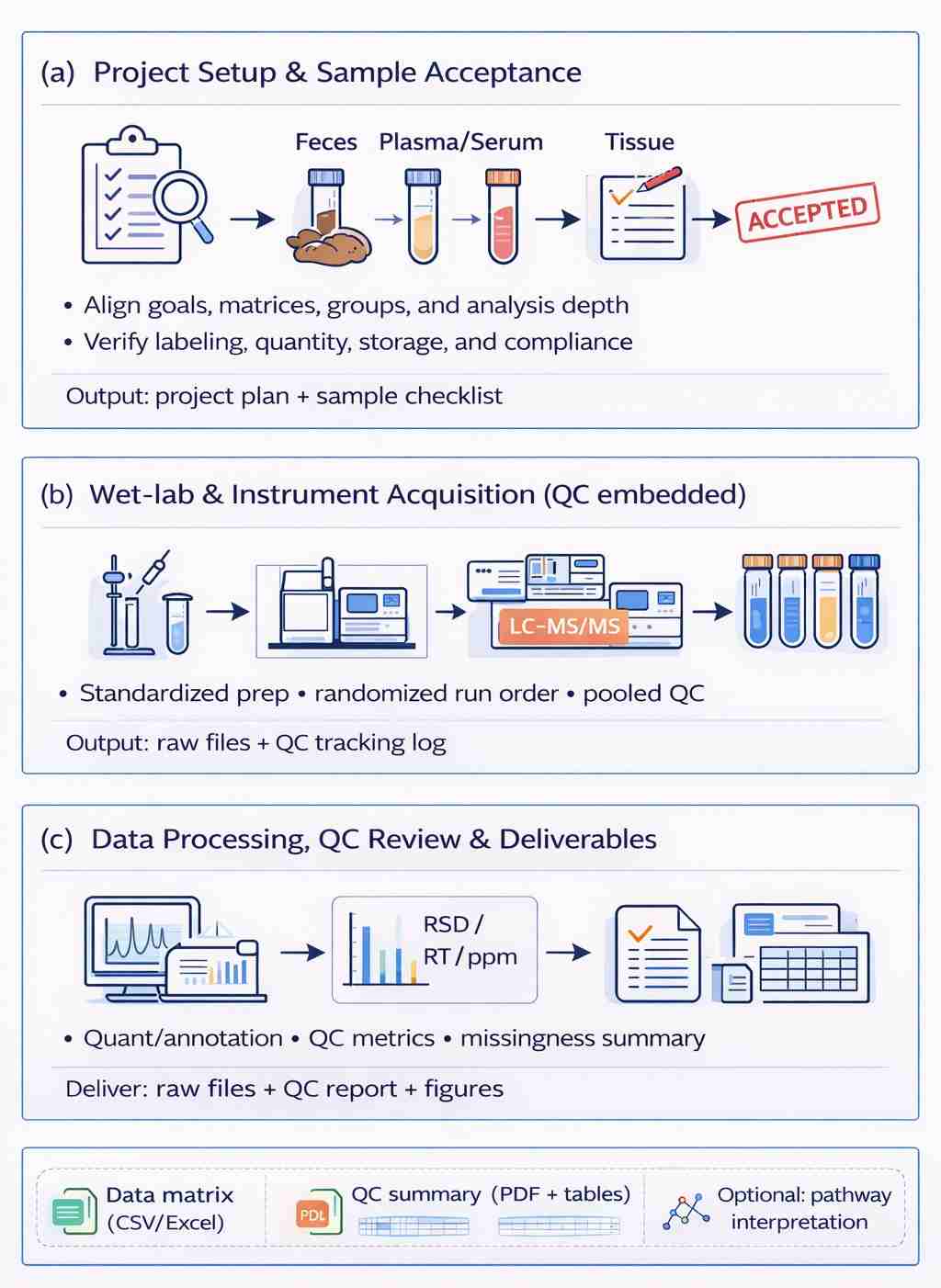
1

Project Intake & Study Alignmen

Confirm study goal, sample matrix, group design, target pathways/panels, and analysis scope.

2

Sample Check-In & Acceptance

Log samples and verify labeling, amount, and storage/shipping compliance; review metadata sheet.

3

Extraction & Instrument Acquisition (QC embedded)

Standardized extraction with blanks, internal standards (as applicable), and pooled QC; randomized run order and scheduled QC injections.

Platforms assigned per target: LC–MS (Orbitrap) for untargeted profiling, LC–MS/MS (triple quad) for targeted quantification, GC–MS for SCFAs/volatiles.

4

Data Processing & QC Review

Peak processing and quantification/annotation; QC evaluation (RSD, RT stability, mass accuracy, missingness); optional batch drift correction (project-defined).

5

Data Delivery

Provide data tables (CSV/Excel), QC summary (PDF + tables), and selected analysis outputs (figures/tables) based on the agreed scope.

Gut Microbiome Metabolomics Workflow

Analytical Instruments We Use for Microbiome Metabolomics Projects

High-Resolution LC–MS (Untargeted Profiling)

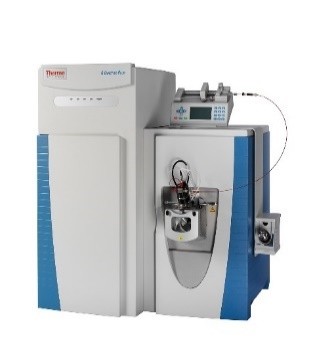
Thermo Scientific Orbitrap (Q Exactive / Exploris series)

  • Resolution: 60,000–120,000 @ m/z 200
  • Mass accuracy: typically ≤ 3–5 ppm (routine calibration)
  • Acquisition: Full scan + MS/MS (DDA/DIA, project-confirmed)

Triple Quadrupole LC–MS/MS (Targeted Absolute Quantification)

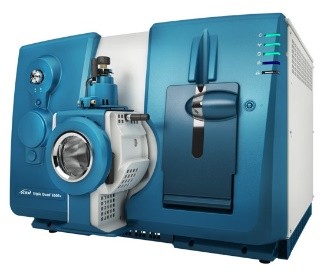
SCIEX QTRAP 6500+

  • Quantification: MRM mode
  • Absolute quantification: internal standards + calibration curves
  • Built for high-throughput batch targeted panels

GC–MS (SCFAs & Volatile Small Molecules)

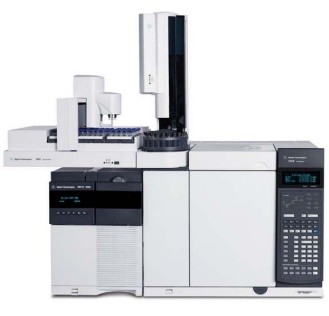
Agilent 7890 GC + 5977 MSD

  • Best-fit for SCFAs absolute quantification (method-dependent)
  • Strong chromatographic separation for volatile/small acids

Platform Selection Comparison

Platform Best for Typical output Key advantage When not ideal
Orbitrap HRMS (LC–MS) Untargeted gut microbiome metabolomics discovery Feature/compound matrix (relative) + MS/MS Broad coverage + accurate mass profiling Not ideal if you need absolute concentrations for many targets
Triple Quad LC–MS/MS (MRM) Targeted panels (e.g., bile acids, indoles, TMAO axis) Concentration tables (absolute) Highest sensitivity & reproducibility for known targets Not designed for unknown discovery
GC–MS SCFAs and volatile small metabolites Concentration tables (absolute) Best-fit for SCFA quant Requires dedicated prep; narrower metabolite scope
Thermo Fisher Q Exactive

Thermo Fisher Q Exactive (Figure from Thermo Fisher)

SCIEX Triple Quad™ 6500+

SCIEX Triple Quad™ 6500+ (Figure from Sciex)

7890B Gas Chromatograph + 5977 Single Quadrupole

Agilent 7890B-5977B (Figure from Agilent)

Sample Requirements for Gut Microbiome Metabolomics

Sample Type Minimum Amount (per sample) Container Storage Before Shipping Key Requirements
Feces ≥ 50–100 mg Sterile screw-cap tube (O-ring preferred) -80°C Avoid freeze–thaw; keep samples consistent in collection time and handling
Intestinal contents ≥ 50–100 mg Sterile screw-cap tube -80°C Record anatomical site (ileum/cecum/colon) and sampling method
Plasma / Serum ≥ 100–200 µL Low-binding tube -80°C Centrifuge promptly; avoid hemolysis; record anticoagulant (EDTA/heparin)
Tissue ≥ 20–50 mg Cryovial -80°C Record tissue type and weight; rinse off blood if applicable; minimize handling time
Culture supernatant / media ≥ 200–500 µL Sterile tube -80°C Clarify by centrifugation if needed; record medium and culture conditions

Sample Quality & Handling Notes (Reduce Failure Risk)

  • Freeze immediately after collection whenever possible; keep cold chain intact.
  • Avoid repeated freeze–thaw cycles (major source of variability).
  • For feces/intestinal contents, keep collection consistent across groups (time-of-day, diet window, intervention timing).
  • Provide a simple metadata sheet: group labels, timepoints, diet/intervention, antibiotics/drugs, model details, and any exclusion notes.
  • If SCFAs are a priority, tell us in advance so we can assign the dedicated GC–MS method and confirm preparation requirements.

Recommended Study Design

  • Minimum per group: ≥ 6 samples (recommended for basic statistics)
  • Better power: ≥ 10 per group for heterogeneous cohorts
  • For longitudinal designs, keep collection schedule and handling consistent across timepoints.

What You Receive: Gut Microbiome Metabolomics Deliverables

Primary data matrix (CSV/Excel)

  • Untargeted: sample × feature/compound table with applicable annotations
  • Targeted: compound concentration table with units and quant flags

QC summary package (PDF + tables): pooled QC RSD distribution, stability summaries, missingness and filtering notes

Targeted quantification package (if selected): internal standard mapping + calibration curve performance summary

Statistics outputs (if selected): PCA/cluster/volcano/heatmap figures + differential metabolite tables (FC, p/FDR)

Pathway and interpretation outputs (if selected): enrichment tables + key metabolite interpretation notes for reports/manuscripts

Methods summary (PDF): sample list, workflow outline, key parameters, data processing notes

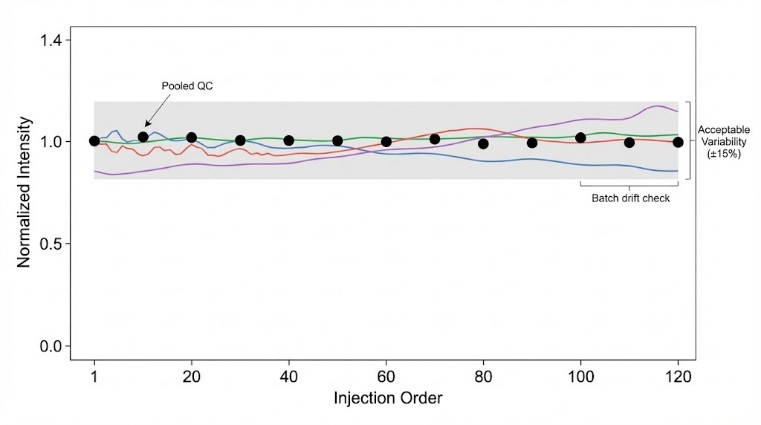
Line plot of normalized intensities vs injection order with pooled QC points showing stable signal across the batch.

QC stability across the acquisition batch. Pooled QC injections show consistent normalized intensities and minimal drift over injection order.

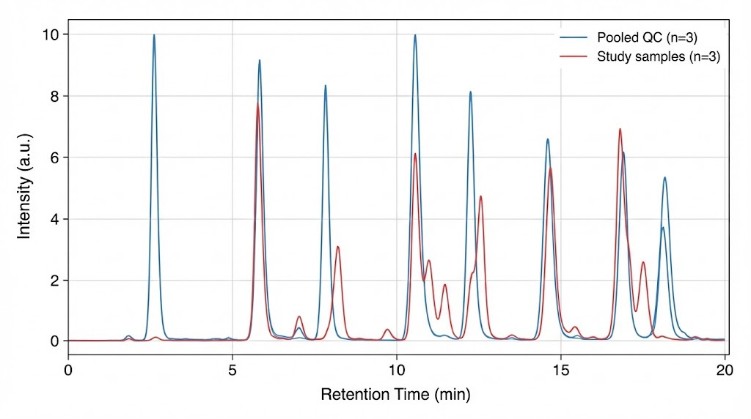
Overlay of LC–MS chromatograms showing three pooled QC traces nearly overlapping and three sample traces with expected variation.

Overlaid chromatograms of pooled QC replicates and representative study samples, demonstrating retention-time alignment and run-to-run reproducibility.

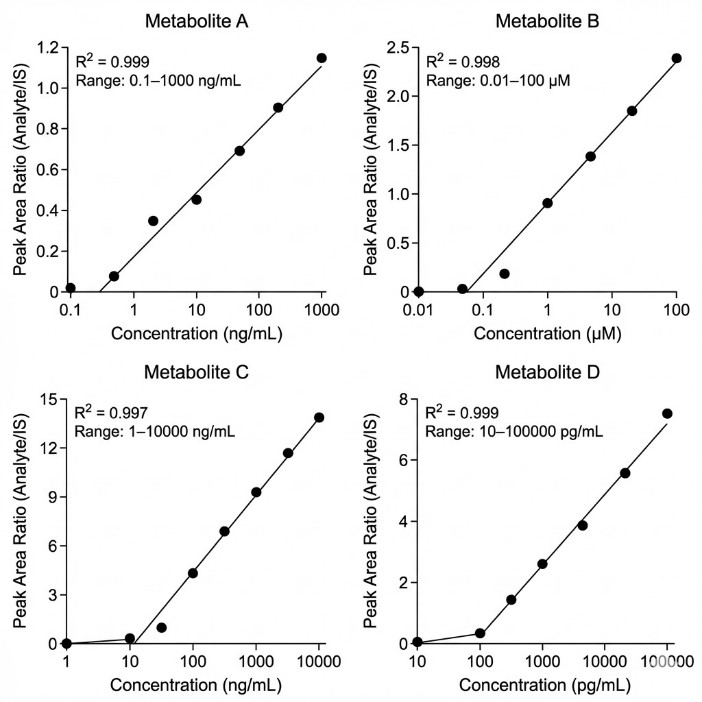
Four-panel calibration curve figure with standard points and fitted lines for targeted metabolites, indicating strong linearity.

Representative calibration curves for targeted absolute quantification (LC–MS/MS). Multi-point standards show linear response across the reportable range.

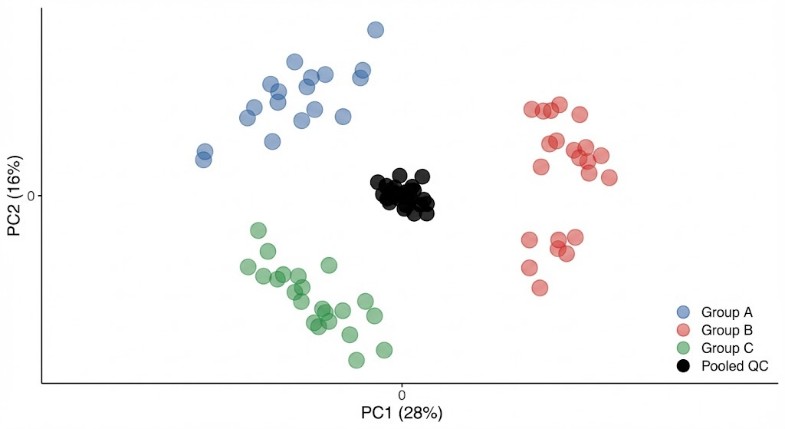
PCA scatter plot with three study groups separated in PC space and pooled QC points tightly clustered near the center.

PCA score plot of metabolomics profiles. Study groups separate by biological variation, while pooled QC samples cluster tightly, supporting analytical consistency.

Use Cases in Gut Microbiome Research

Diet, Prebiotic/Probiotic, and Lifestyle Interventions

Track functional metabolic shifts before/after interventions and across responder groups.

Drug–Microbiome Interaction Studies

Assess microbiome-associated metabolic changes that may influence compound response and exposure.

Inflammation and Immunometabolism Research

Identify metabolite patterns linked to immune activity and inflammatory pathways (study-dependent).

Gut–Liver Axis and Metabolic Physiology

Profile bile acid–related and energy metabolism signatures relevant to host metabolic regulation.

Gut–Brain Axis Research

Measure neuroactive and tryptophan-related metabolic signals relevant to microbiome–brain hypotheses.

Longitudinal and Time-Series Cohorts

Monitor within-subject metabolic trajectories with QC-backed comparability over time.

Gut Microbiome Metabolomics Links Microbial Metabolites to T Cell Fitness in Autoimmunity


Journal: bioRxiv (Preprint)

Year: 2022

DOI: https://doi.org/10.1101/2022.04.19.488821


Background

A research group studying autoimmune neuroinflammation (EAE, a mouse model linked to multiple sclerosis biology) investigated how T cell–specific loss of the aryl hydrocarbon receptor (AHR) reshapes the gut microenvironment. The study highlighted that altered gut conditions can shift microbiome-associated metabolites—including bile salts (bile acids) and short-chain fatty acids (SCFAs)—with downstream impact on T cell viability and disease recovery.


Challenge

To connect immune phenotypes with microbiome function, the team needed:

  • Reliable measurement of microbiome-derived metabolites in complex gut-related matrices (e.g., fecal/intestinal environment)
  • Target-class coverage for key gut metabolite families (SCFAs, bile acids) relevant to immune regulation
  • Reproducible data suitable for mechanistic interpretation (microbiome ↔ metabolite ↔ host immune readouts)

Our Solution (How Creative Proteomics Supports Similar Studies)

Creative Proteomics designs gut microbiome metabolomics workflows that map microbiome changes to measurable metabolite evidence through a combined strategy:

Untargeted metabolomics (LC–MS, discovery): global profiling to capture broad metabolic shifts linked to the gut microenvironment

Targeted absolute quantification (validation-ready):

  • SCFAs (GC–MS): acetate, propionate, butyrate and related SCFAs for fermentation output
  • Bile acids (LC–MS/MS): primary/secondary and conjugated bile acids for microbial bile acid transformations

QC embedded for cohort comparability: pooled QC injections, run-order randomization, and transparent missingness/QC reporting for publication-grade figures


Results & Findings

The publication demonstrates that disrupting AHR signaling in CD4 T cells can shift the gut microenvironment to produce metabolites (notably bile salts and SCFAs) that influence T cell fitness and are associated with recovery in EAE—supporting a mechanism where gut microbial metabolism and host immunity are functionally linked.

Reference

  1. Merchak, Andrea R., et al. "T cell Aryl Hydrocarbon Receptor Activity Tunes the Gut Microenvironment to Sustain Autoimmunity and Neuroinflammation." bioRxiv (2022): 2022-04.

How can I minimize metabolic bias during fecal sample collection?

Gut metabolites are highly sensitive to enzymatic activity and oxidation. To ensure a "frozen" metabolic snapshot:

  • Rapid Quenching: Samples should be flash-frozen in liquid nitrogen or moved to -80℃ within 30 minutes of collection.
  • Avoid Freeze-Thaw: Repeated cycles degrade sensitive molecules like SCFAs and Indoles. We recommend pre-aliquoting samples before shipping.
  • Stabilizers: If cold-chain logistics are limited, specialized preservative buffers may be used, though these must be documented to adjust for dilution factors during data normalization.

Why is GC-MS preferred over LC-MS for Short-Chain Fatty Acid analysis?

While LC-MS offers broad coverage, GC-MS remains the gold standard for volatile organic acids:

  • Volatility: Small molecules like Acetate, Propionate, and Butyrate are naturally volatile. GC-MS, often paired with derivatization, provides superior chromatographic resolution for these species.
  • Quantification Accuracy: GC-MS delivers higher linearity and reproducibility for SCFAs across a wide concentration range, which is critical for meeting the rigorous validation standards of high-impact journals.

How do you differentiate between host-derived and microbiota-derived metabolites?

Distinguishing metabolic origins is central to mechanistic insight. Our approach includes:

  • Signature Mapping: We prioritize metabolites known to be exclusive microbial products, such as secondary bile acids (e.g., Lithocholic acid) and tryptophan-derived indoles.
  • Correlation Networking: By integrating microbiome sequencing data, we use Procrustes analysis or Spearman correlation to link specific metabolite fluctuations to the abundance of specific bacterial taxa.
  • Model Comparison: We support study designs involving Germ-Free (GF) or antibiotic-treated models to subtract host-background metabolic noise.

What is the recommended sample size for gut metabolomics studies?

Due to high biological variance in the gut environment:

  • Animal Studies: A minimum of n ≥ 8~10 per group is recommended to achieve statistical power.
  • Clinical Cohorts: Given the impact of diet and lifestyle, we suggest n ≥ 30~50 per group.
  • Increasing sample size is particularly important when performing multi-omics integration, as it improves the False Discovery Rate (FDR) correction during high-dimensional data merging.

Can metabolomics be integrated with 16S or Shotgun Metagenomics?

Yes. Multi-omics integration allows researchers to move from "who is there" to "what they are doing." We provide Microbe-Metabolite Interaction Maps to identify the functional drivers of disease phenotypes.

Which is better for microbiome research: Feces or Serum samples?

They provide different insights. Feces reflects the direct metabolic output of the gut environment, while Serum/Plasma reveals how microbial metabolites (like TMAO or Bile Acids) enter systemic circulation and affect distant organs like the heart or brain.

How do you handle "Missing Values" in large-scale metabolomics datasets?

We employ rigorous data imputation strategies. Depending on the nature of the data, we use K-Nearest Neighbors (KNN) or Random Forest algorithms to ensure that the final statistical model remains robust without losing biological significance.

The effect of consuming arabinogalactan on the gut microbiome: a randomized, double-blind, placebo-controlled, crossover trial in healthy adults

Chen, O., Sudakaran, S., Blonquist, T., Mah, E., Durkee, S., & Bellamine, A.

Journal: Nutrition

Year: 2021

DOI: https://doi.org/10.1016/j.nut.2021.111273

The olfactory receptor Olfr78 promotes differentiation of pulmonary B cells induced by gut microbiota-derived short-chain fatty acids

Dinsart, G., Leprovots, M., Lefort, A., Libert, F., Quesnel, Y., Veithen, A., ... & Garcia, M. I.

Journal: EMBO Reports

Year: 2024

DOI: https://doi.org/10.1038/s44319-023-00013-5

Quantifying forms and functions of intestinal bile acid pools in mice

Sudo, K., Delmas-Eliason, A., Soucy, S., Barrack, K. E., Liu, J., Balasubramanian, A., ... & Sundrud, M. S.

Journal: bioRxiv

Year: 2024

DOI: https://doi.org/10.1101/2024.02.16.580658

A human iPSC-derived hepatocyte screen identifies compounds that inhibit production of Apolipoprotein B

Liu, J.-T., Doueiry, C., Jiang, Y.-L., Blaszkiewicz, J., Lamprecht, M. P., Heslop, J. A., ... & Duncan, S. A.

Journal: Communications Biology

Year: 2023

DOI: https://doi.org/10.1038/s42003-023-04739-9

The Brain Metabolome Is Modified by Obesity in a Sex-Dependent Manner

Norman, J. E., Milenkovic, D., Nuthikattu, S., & Villablanca, A. C.

Journal: International Journal of Molecular Sciences

Year: 2024

DOI: https://doi.org/10.3390/ijms25063475

For Research Use Only. Not for use in diagnostic procedures.
inquiry

Get Your Custom Quote

Connect with Creative Proteomics Contact UsContact Us
return-top