Why Cofactors and Vitamin-Derived Metabolites Matter
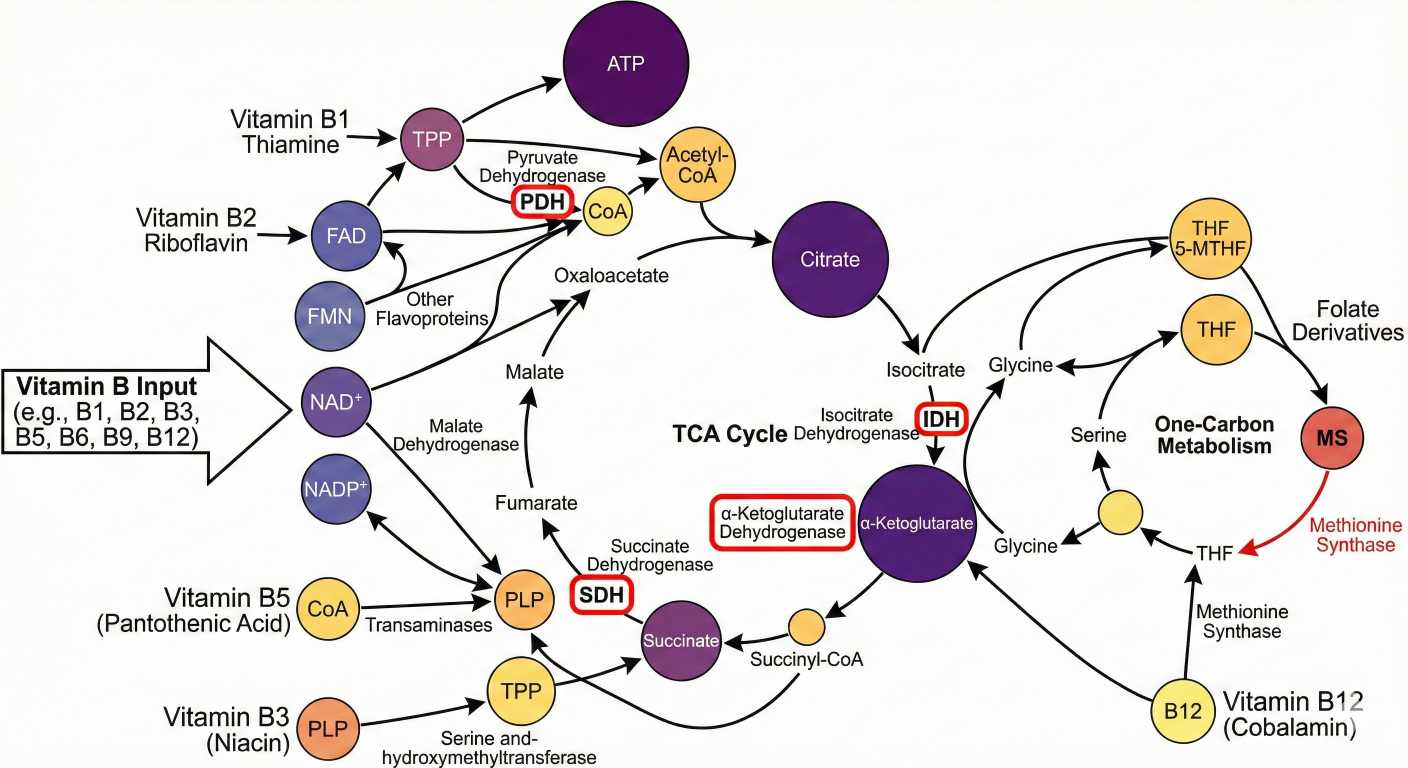
Many vitamins become biologically active only after conversion into cofactor forms. These forms participate in core processes such as redox control, mitochondrial energy production, and biosynthetic regulation.
In pathway-focused research, changes in cofactor pools or redox ratios can reveal enzyme constraints and metabolic bottlenecks. These signals may be missed when relying on broad, untargeted metabolomics alone.
Targeted measurement helps reduce ambiguity and supports more direct mechanistic interpretation.
Research Questions This Service Helps Address
This analysis is commonly used to support questions such as:
- Are enzyme-dependent pathways limited by cofactor availability?
- Is cellular redox balance shifted under disease or treatment conditions?
- Do nutrition or intervention strategies change vitamin-dependent metabolism?
- Which pathway nodes show the strongest functional disruption?
Service Overview: Vitamins and Cofactors Profiling
Our platform offers modular analytical suites designed to match specific research intents. Each portfolio is optimized for absolute quantification using validated isotope dilution methods.
Comprehensive Analyte Coverage: 50+ Vitamins and Coenzymes
Below is a consolidated list that merges the earlier table with your expanded target set. Final panel composition can be adapted to the study question, sample matrix, and analyte chemistry.
| Category |
Analytes Covered |
| Pyridine Nucleotides (Vitamin B3 Pathway) |
NAD⁺; NADH; NADP⁺; NADPH; Nicotinamide (B3); Nicotinic acid; NMN; NMNH |
| Flavins & Derivatives (Vitamin B2 Pathway) |
Riboflavin (B2); FMN; FAD |
| Acyl Carriers (Vitamin B5 / CoA Pathway) |
Pantothenic acid (B5); Coenzyme A (CoA); Acetyl-CoA; Malonyl-CoA; Succinyl-CoA; HMG-CoA |
| Thiamine Forms (Vitamin B1 Pathway) |
Thiamine (B1); Thiamine monophosphate (TMP); Thiamine pyrophosphate (TPP) |
| Vitamin B6 Vitamers |
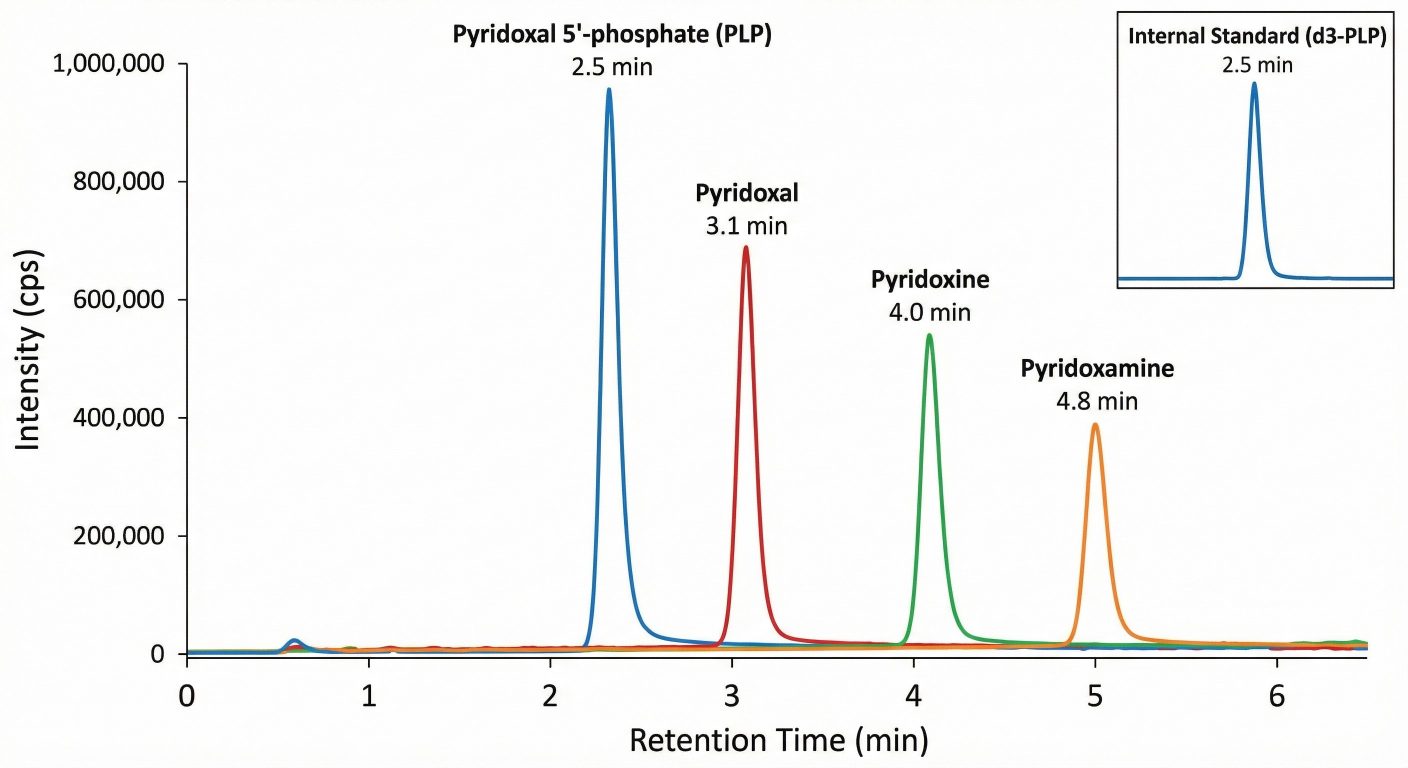
Pyridoxine; Pyridoxal; Pyridoxamine; Pyridoxal 5'-phosphate (PLP) |
| One-Carbon Metabolism (Folate / Methyl Donor / B12 Axis) |
Tetrahydrofolate (THF); 5-Methyltetrahydrofolate (5-MTHF); Folic acid (B9); S-adenosylmethionine (SAM); S-adenosylhomocysteine (SAH); Vitamin B12; Methylcobalamin |
| Antioxidant Vitamins (Vitamin C / E) |
Ascorbic acid (Vitamin C); Dehydroascorbic acid; Vitamin E (tocopherols) |
| Lipid-Soluble Vitamins (A / D / E / K) |
Vitamin A (retinol, retinal); Vitamin D (D2, D3, 25-hydroxyvitamin D); Vitamin E (tocopherols); Vitamin K (K1, K2) |
| Other Essential Factors & Cofactor-Like Metabolites |
Biotin (B7); L-carnitine; Alpha-lipoic acid; Coenzyme Q10 |
Note: Some lipid-soluble vitamins and hydrophobic cofactors may require dedicated extraction and LC conditions. Final target coverage is confirmed during panel design based on sample type and study goals.
Advantages of Our Analysis Platform
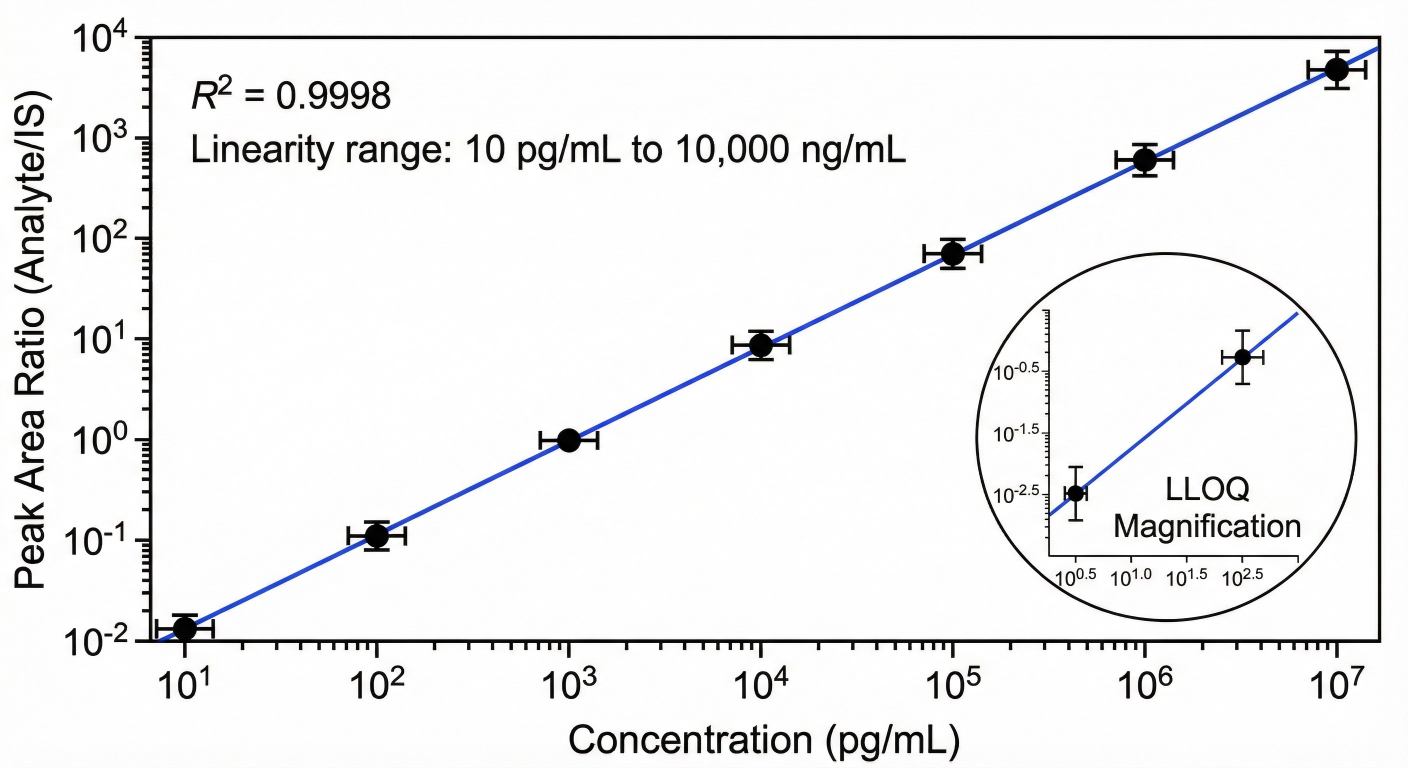
- Unrivaled Sensitivity: Detection limits reach the low picogram (pg/mL) level, enabling high-fidelity profiling in limited or rare samples such as biopsies, primary cells, and exosomes.
- Exceptional Quantitative Linearity: We achieve R2 > 0.99 linearity across a 4-6 order of magnitude dynamic range.
- Exceptional Reproducibility: Intraday and interday CV (Coefficient of Variation) < 15%, ensuring reliable data for longitudinal studies.
- Advanced Isotope Dilution: We utilize 30+ stable isotope-labeled internal standards to correct for matrix effects and extraction losses.
Workflow for Cofactors and Vitamins Analysis
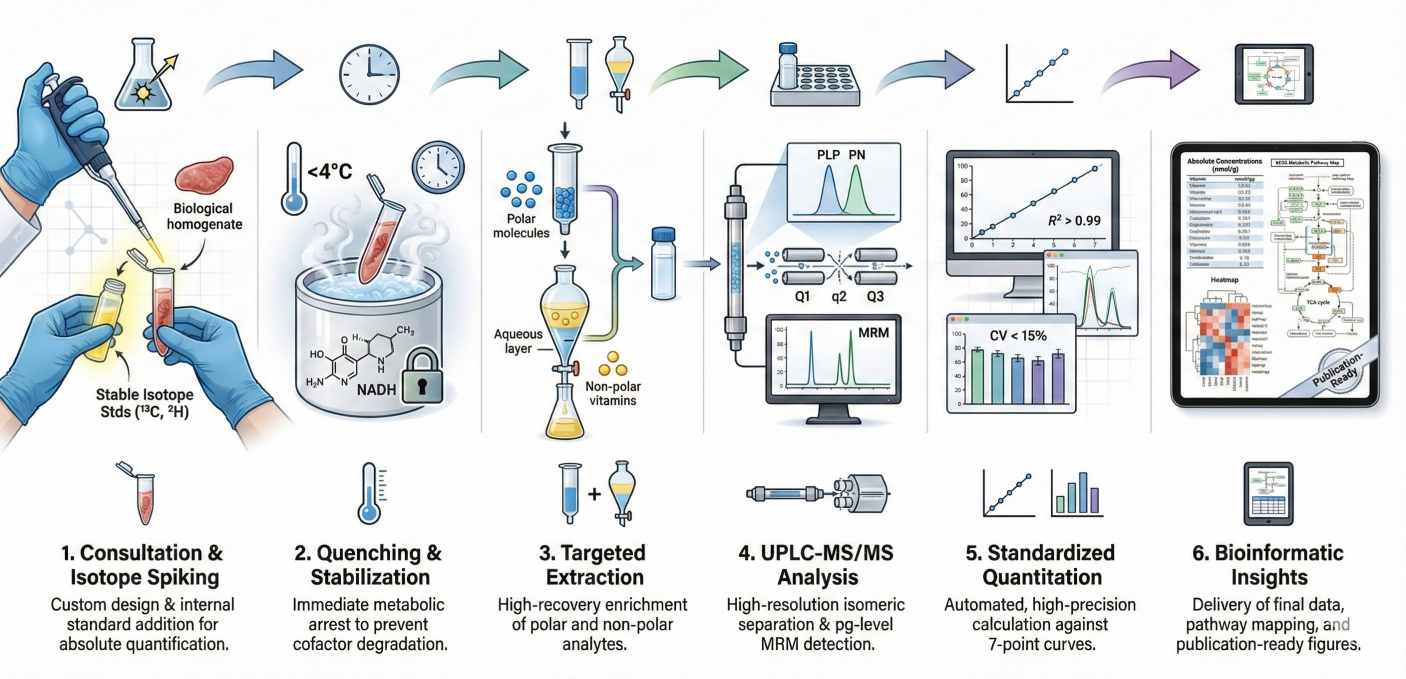
Analytical Platforms for Vitamins and Cofactor Analysis
We utilize industry-leading LC-MS/MS and Orbitrap technologies to deliver sub-picogram sensitivity and superior isomeric resolution for complex biological matrices.
| Platform |
Instrumentation |
Primary Application |
Technical Specifications |
| Targeted QqQ |
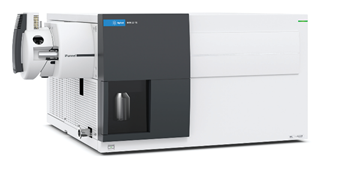
Agilent 6495C Triple Quad |
Absolute Quantification |
LLOQ: Low pg/mL range
Dynamic Range: > 6 orders of magnitude. |
| High-Res MS |
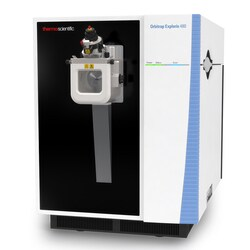
Orbitrap Exploris™ 480 |
Profiling & Identification |
Resolution: Up to 480,000 FWHM
Mass Accuracy: < 1 ppm. |
| Front-End LC |
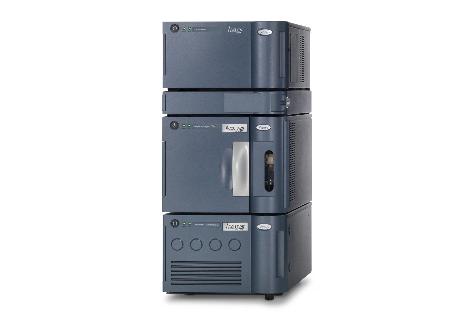
Waters ACQUITY UPLC I-Class |
Isomeric Separation |
Pressure: Up to 15,000 psi
Column: Sub-2 um particle technology. |
Platform Core Advantages:
- Isomeric Resolution: Superior separation of complex B-vitamin vitamers and cofactor derivatives.
- Matrix Mitigation: Advanced iFunnel technology and isotope dilution to minimize ion suppression.
- Data Integrity: High-speed MRM monitoring and HRAM confirmation ensure zero-compromise accuracy.
Sample Submission & Preparation Guidelines
To ensure the highest data integrity, samples must be flash-frozen immediately upon collection to preserve labile cofactors and vitamins. Please refer to the following requirements for different sample matrices:
| Sample Type |
Recommended Quantity |
Preparation & Collection |
Shipping Condition |
| Serum / Plasma |
200 uL |
Flash-frozen in liquid nitrogen; strictly avoid hemolysis. |
Dry Ice |
| Animal Tissue |
100 mg |
Flash-frozen immediately after excision; minimize handling time. |
Dry Ice |
| Cell Pellets |
1×10⁷ cells |
Quench metabolism with cold PBS/saline; remove supernatant completely. |
Dry Ice |
| Plant Material |
200 mg |
Fresh weight; flash-frozen or lyophilized; avoid light exposure. |
Dry Ice |
| Microorganisms |
100 mg |
Centrifuged pellet (wet weight); flash-frozen. |
Dry Ice |
| Food / Feed |
500 mg - 1 g |
Homogenized; protected from light and moisture. |
Dry Ice / Chilled |
Important Technical Notes for Cofactor Analysis:
- Flash Freezing: For NAD(H), NADP(H), and Coenzyme A derivatives, immediate freezing in liquid nitrogen is mandatory to prevent enzymatic interconversion.
- Freeze-Thaw Cycles: Strictly avoid repeated freeze-thaw cycles, as this leads to the rapid degradation of B-group vitamins and unstable coenzymes.
- Light Sensitivity: Vitamins A, B12, and Folate are highly light-sensitive. Please use light-protected (amber) tubes or wrap samples in aluminum foil if possible.
- Custom Matrices: For unique matrices (e.g., milk, exosomes, or culture media), please contact our technical team for specialized extraction protocols.
Comprehensive Deliverables: Accurate Data for Your Research
- Standardized Raw Data: Full access to raw LC-MS files (.raw or .d).
- Quantification Report: An Excel/CSV table containing absolute concentrations (nmol/g or ng/mL) for all analytes.
- Methodology Section: A detailed description of the SOPs, instrument parameters, and chemicals used (ready for your "Materials and Methods" section).
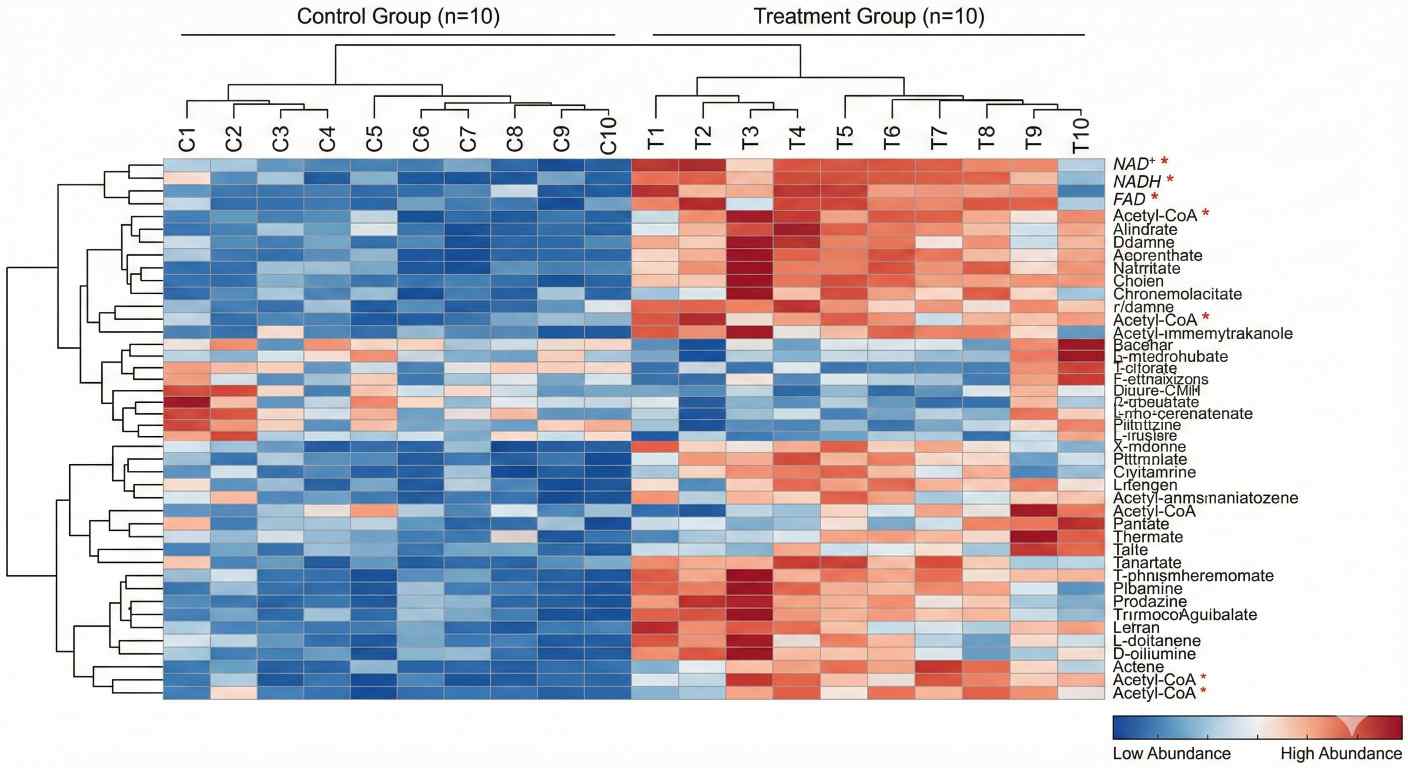
- Statistical Analysis: PCA, Heatmaps, and Fold-Change analysis between experimental groups.
- Pathway Mapping: High-resolution visualization of cofactor changes within central carbon metabolism.
Research Applications for Vitamins and Cofactor Analysis
Nutritional analysis of commercially available, complete plant-and meat-based dry dog foods in the UK
Author: Brociek, R. A., Li, D., Broughton, R., & Gardner, D. S.
Journal: bioRxiv
Year: 2024
DOI: https://doi.org/10.1101/2024.09.11.612409
Service Note: Quantitative analysis of B-vitamins using the AB Sciex QTRAP® 6500 LC-MS/MS platform.
Resting natural killer cell homeostasis relies on tryptophan/NAD+ metabolism and HIF‐1α
Author: Pelletier, A., Nelius, E., Fan, Z., Khatchatourova, E., Alvarado‐Diaz, A., He, J., ... & Stockmann, C.
Journal: EMBO reports
Year: 2023
DOI: https://doi.org/10.15252/embr.202256156
Service Note: Targeted and untargeted metabolomics focusing on tryptophan/NAD+ metabolic pathways.
Methyl donor supplementation reduces phospho‐Tau, Fyn and demethylated protein phosphatase 2A levels and mitigates learning and motor deficits in a mouse model of tauopathy
Author: van Hummel, A., Taleski, G., Sontag, J. M., Feiten, A. F., Ke, Y. D., Ittner, L. M., & Sontag, E.
Journal: Neuropathology and Applied Neurobiology
Year: 2023
DOI: https://doi.org/10.1111/nan.12931
Service Note: HPLC-MS/MS analysis of key metabolites in one-carbon metabolism within plasma samples.
Sarcosine Is Uniquely Modulated by Aging and Dietary Restriction in Rodents and Humans
Author: Walters, R. O., et al.
Journal: Cell Reports
Year: 2018
DOI: https://doi.org/10.1016/j.celrep.2018.09.065
Service Note: Absolute quantitation of SAM and SAH levels in plasma and liver tissues.







 Contact Us