Urolithin A Analysis — Why Free vs Conjugated Quantification Matters
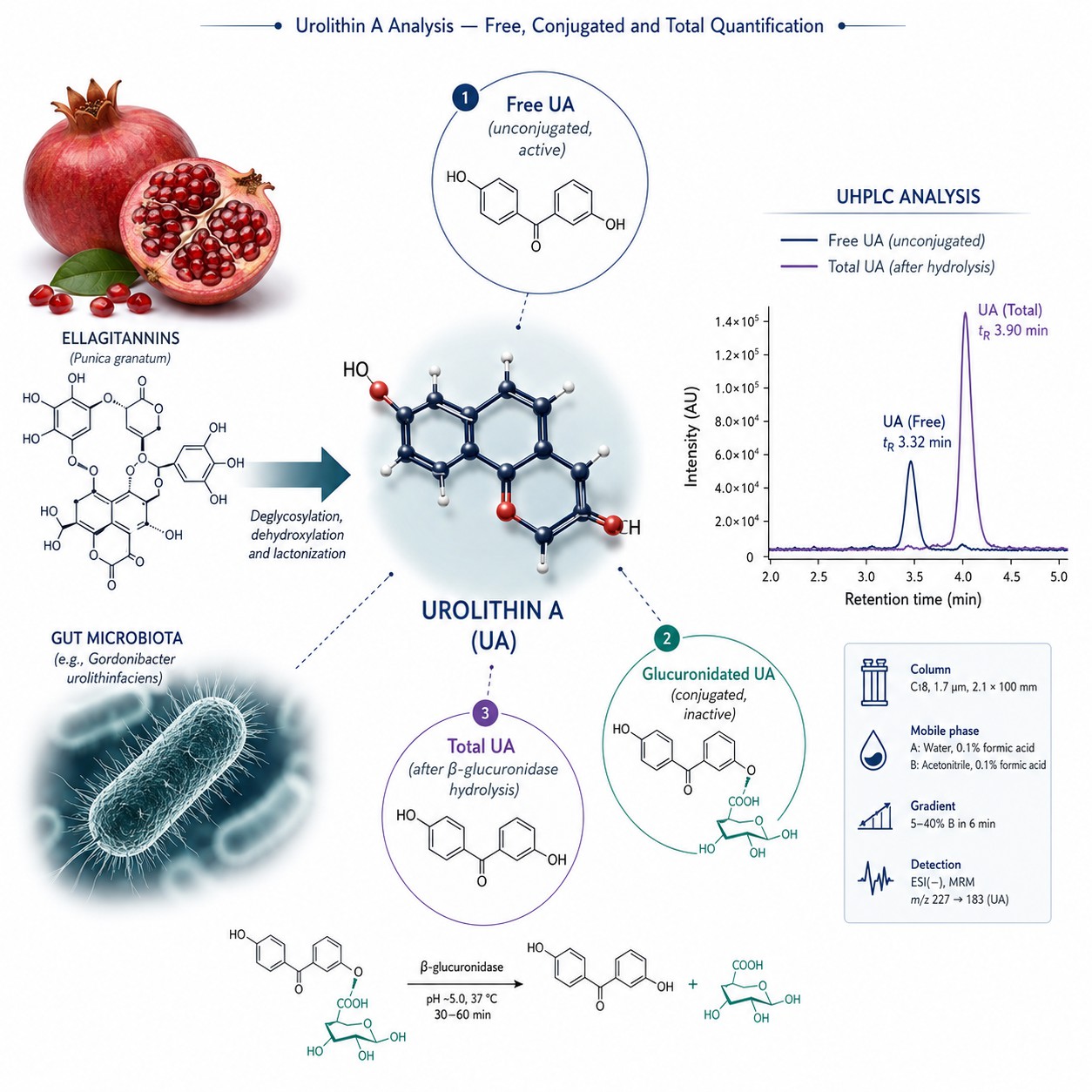
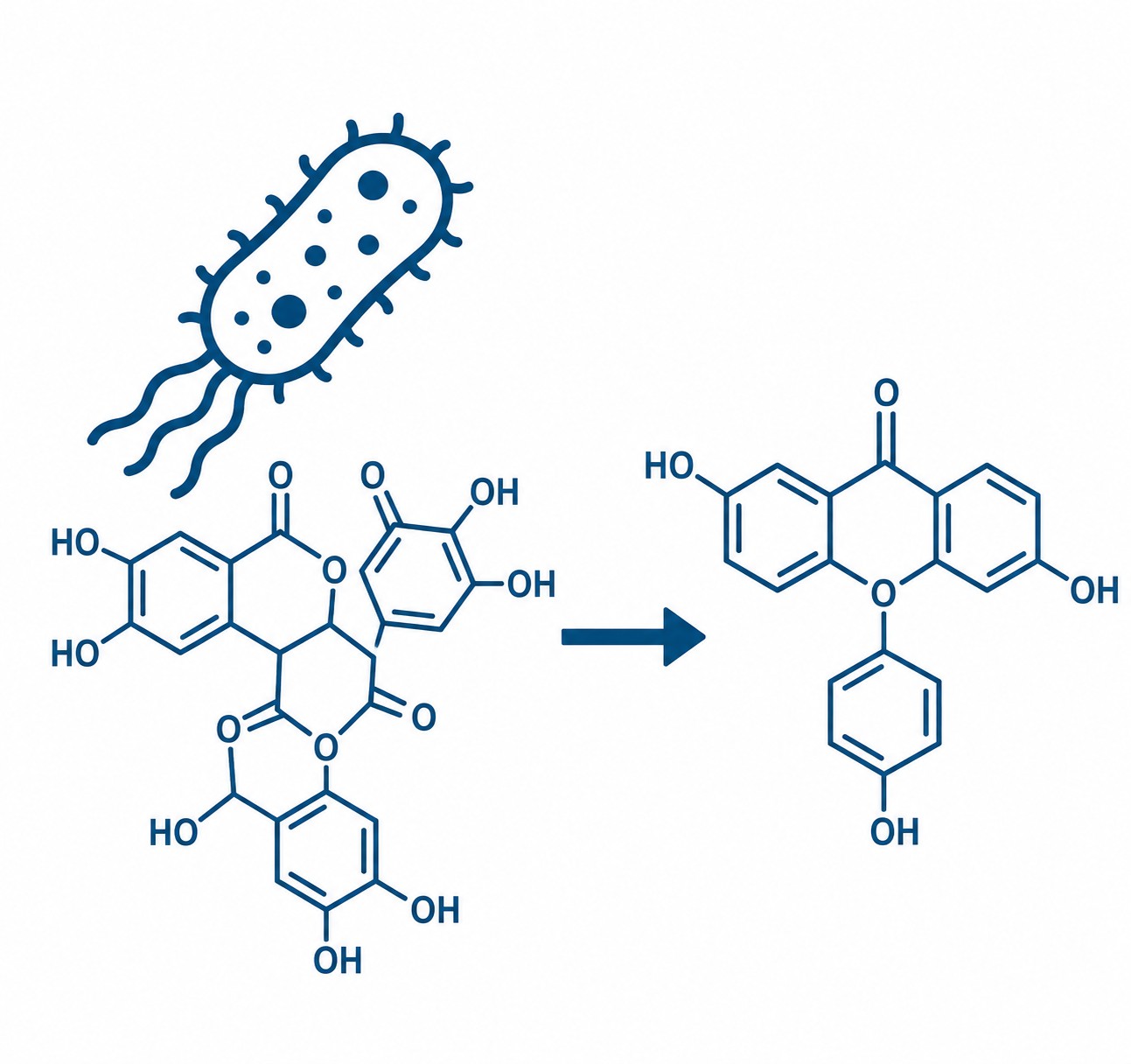
Urolithin A is not directly present in food. Gut bacteria produce it from ellagitannins — polyphenols in
pomegranates, berries, and walnuts — but only 30-40% of individuals harbor the necessary microbes, a classic
example of gut microbial metabolism determining systemic
metabolite exposure. Once absorbed, urolithin A is rapidly conjugated by hepatic phase II enzymes. In human
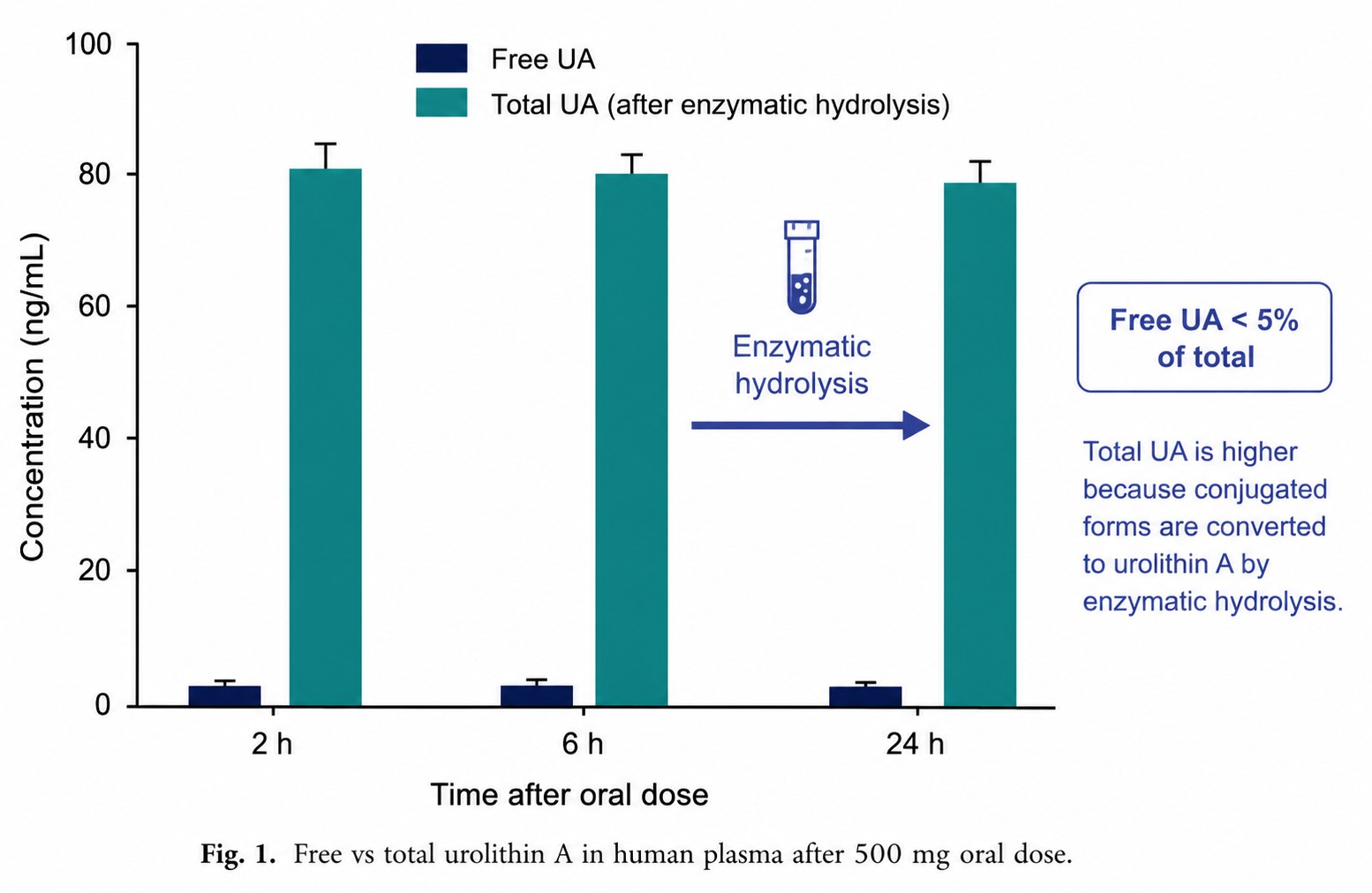
plasma, over 95% circulates as glucuronide or sulfate — less than 5% remains free.
This creates an analytical challenge that most methods do not address. A standard LC-MS/MS method without
hydrolysis measures only free UA — missing over 95% of the circulating pool. A method with enzymatic
deconjugation measures total UA — but cannot distinguish parent from metabolites.
The clinically relevant endpoint depends on your question: free UA for target engagement, total UA for
bioavailability, and the free/total ratio as a marker of phase II conjugation capacity. Our method delivers
all three from one sample.
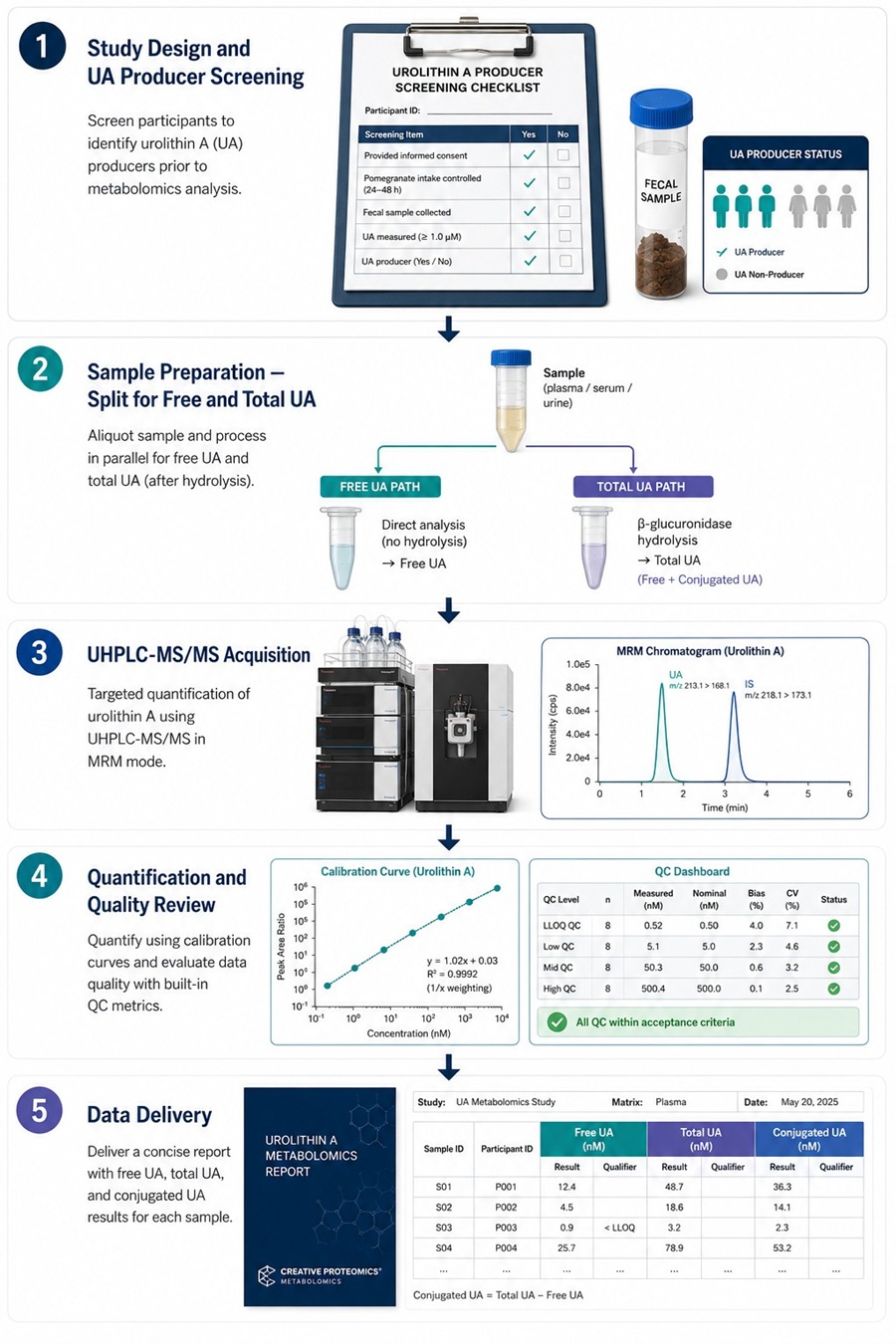
Our method quantifies all three fractions — free, conjugated (by difference), and total — in a single
workflow:
- Free urolithin A — measured directly in plasma or tissue extract without enzymatic
treatment; represents the biologically active pool available for mitophagy activation and receptor
binding.
- Total urolithin A — measured after β-glucuronidase/sulfatase hydrolysis; represents the
sum of free + glucuronidated + sulfated UA; the relevant endpoint for bioavailability and PK studies.
- Conjugated fraction — calculated as total minus free; indicates the extent of phase II
metabolism and can serve as a marker of hepatic conjugation capacity or inter-individual variability in UA
pharmacokinetics.
What Problem Do We Solve?
Three analytical gaps make most urolithin A data unreliable — and each has a specific solution in our
method:
- Measuring only free UA misses over 95% of the circulating pool. Without enzymatic
hydrolysis, a standard LC-MS/MS method reports only the free fraction — which can be undetectable even
after a 500 mg oral dose. Our β-glucuronidase/sulfatase step releases conjugated UA for total UA
quantification that reflects actual systemic exposure.
- UA producer variability confounds study results. Only 30-40% of individuals harbor the
gut bacteria needed to produce urolithin A from ellagitannins. Studies that do not screen for producer
status at baseline risk diluting treatment effects with non-responders. Our panel confirms producer status
before randomization.
- Urolithin B, urolithin C, and iso-urolithin A add metabolic context. The UA/UB/UC ratio
reflects gut microbial consortium composition and ellagitannin conversion efficiency. These urolithins are
available as add-on analytes using the same extraction and UHPLC method.
Urolithin A Detection Panel — Free, Conjugated and Total Quantification
| Analyte Fraction |
What Is Measured |
Sample Preparation |
Clinical Relevance |
| Free Urolithin A |
Unconjugated UA — the biologically active form |
Protein precipitation with acetonitrile containing UA-d3 IS; direct injection |
Receptor binding, mitophagy activation, target engagement studies |
| Total Urolithin A |
Free + glucuronidated + sulfated UA — systemic exposure |
β-glucuronidase/sulfatase hydrolysis (37°C, 2 h) → protein precipitation → injection |
Bioavailability, PK/PD, dose proportionality, bioequivalence |
| Conjugated UA (by difference) |
Total UA minus free UA — extent of phase II metabolism |
Calculated from free and total UA concentrations |
Hepatic conjugation capacity, inter-individual PK variability |
| Urolithin B (add-on) |
Dehydroxylated UA metabolite |
Same extraction; separate MRM transition (m/z 211→167) |
Gut microbial conversion efficiency, metabotype characterization |
| Urolithin C / Iso-UA (add-on) |
Additional ellagitannin-derived urolithins |
Same extraction; separate MRM transitions |
Complete ellagitannin metabolic profiling |
Standard panel: free UA + total UA. Expanded panel: + urolithin B, urolithin C, iso-urolithin A. Contact us for custom configurations including tissue-specific protocols or high-throughput PK study support.
Instrumentation — UHPLC-MS/MS Platform and Method Performance
Analytical Platform
UHPLC-MS/MS (Reversed-Phase C18)
Mass Spectrometer: SCIEX QTRAP 6500+ or Agilent 6470 Triple Quadrupole
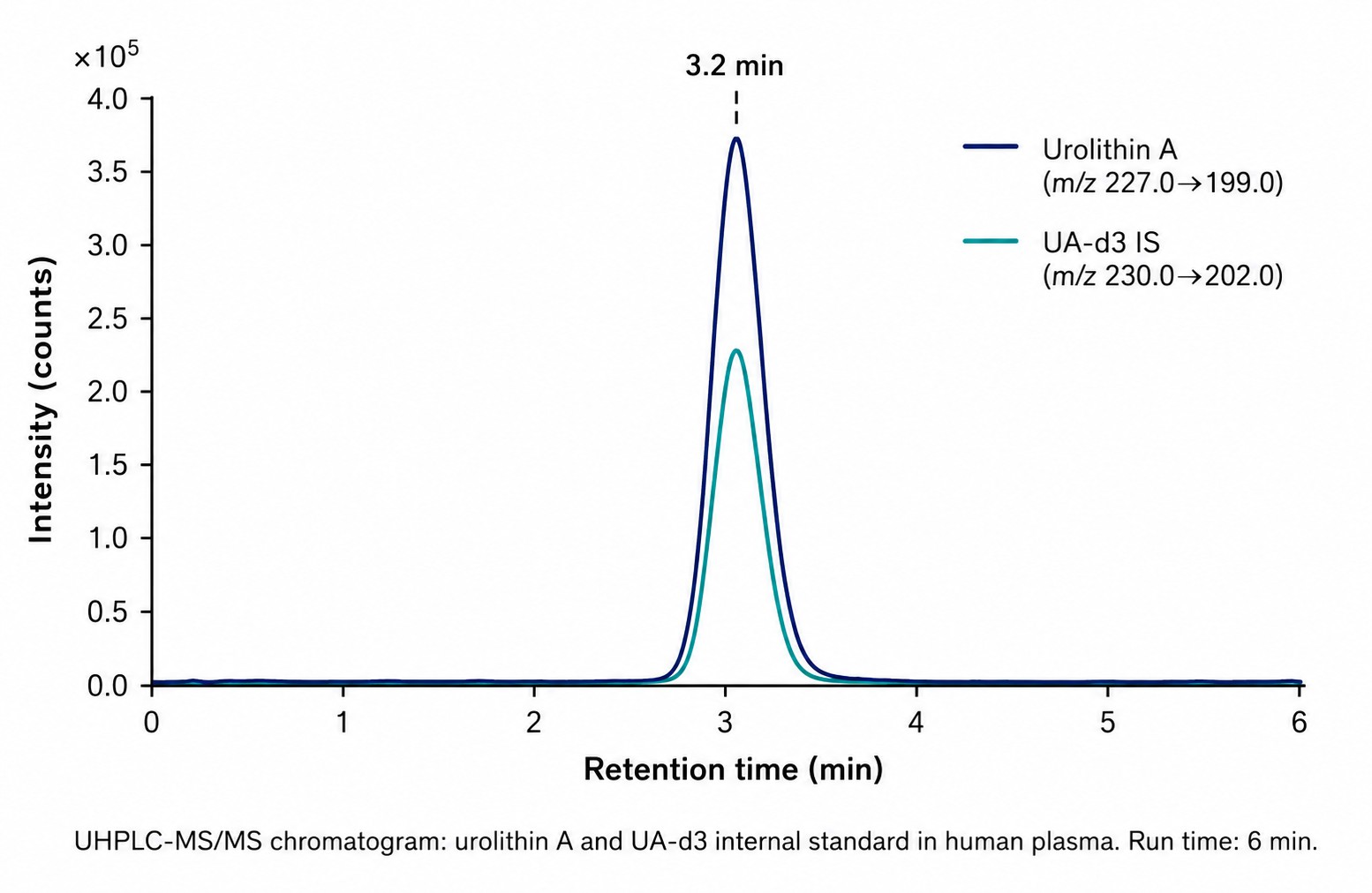
Ionization: ESI Negative Mode; MRM transitions: UA 227.0→199.0 (quantifier), 227.0→173.0 (qualifier);
UA-d3 230.0→202.0 (IS)
LC System: Agilent 1290 Infinity II UHPLC with ZORBAX Eclipse Plus C18 (2.1 × 50 mm, 1.8 μm)
Hydrolysis: β-glucuronidase/sulfatase from Helix pomatia; 37°C, 2 h incubation for total UA
Run Time: 6 minutes per sample
Method Performance
| Parameter |
Typical Range |
| Linearity (R²) |
≥ 0.998 (0.1–200 ng/mL) |
| LOD |
0.05 ng/mL |
| LOQ |
0.1 ng/mL |
| Recovery |
> 90% (spiked plasma) |
| Intraday Precision |
CV ≤ 10% |
| Interday Precision |
CV ≤ 15% |
| Run Time |
6 min per sample |
Urolithin A Analysis Workflow — From Sample to Free, Conjugated and Total UA
Quantification
Why Choose Our Urolithin A Analysis?
-
Free + Total UA from One Sample — The Distinction That Matters
Over 95% of circulating urolithin A is conjugated. A standard LC-MS/MS method without hydrolysis measures only the free fraction — which can be undetectable even after a therapeutic dose. Our method splits your sample: one aliquot for direct free UA, one for enzymatic hydrolysis followed by total UA. One sample, two results, the complete PK picture.
- Clinical-Trial-Ready Sensitivity — LOD 0.05 ng/mL
Plasma free urolithin A concentrations after oral dosing are in the low ng/mL range. A method with LOD of 1 ng/mL or higher will miss the free fraction entirely. Our UHPLC-MS/MS method achieves LOD 0.05 ng/mL and LOQ 0.1 ng/mL using urolithin A-d3 internal standard — validated per ICH M10 guidance for bioanalytical method validation.
-
Multi-Matrix Validated — No Method Re-Development Per Study
The same LC-MS/MS method has been validated across plasma, serum, urine, feces, and tissue homogenates. For PK studies requiring serial plasma sampling plus tissue distribution at terminal sacrifice, you use one method, one set of MRM transitions, one calibration range — not separate assays per matrix.
- UA Producer Status Confirmation at Baseline
Because only 30-40% of individuals can convert ellagitannins to urolithin A, studies that do not confirm producer status at screening risk including non-responders. Our panel quantifies baseline UA in plasma and urine, enabling you to exclude non-producers before randomization — reducing variability and increasing statistical power.
Sample Requirements for Urolithin A Analysis — Plasma, Urine, Tissue and Feces
| Sample Type |
Minimum Amount |
Preparation |
Storage and Shipping |
| Plasma (EDTA or heparin) |
≥ 200 μL |
Centrifuge at 4°C within 30 min; aliquot. For PK studies: record exact collection time relative to
dosing. Avoid hemolysis. |
−80°C; ship on dry ice |
| Urine |
≥ 1 mL |
Mid-stream or 24 h collection; record total volume. Centrifuge to remove particulates; aliquot. UA
is concentrated in urine — dilution may be needed. |
−80°C; ship on dry ice |
| Tissue (muscle, liver, adipose) |
≥ 50 mg |
Snap-freeze in liquid N₂ immediately; record wet weight. Homogenization with IS-spiked
acetonitrile for extraction. |
−80°C; ship on dry ice |
| Feces |
≥ 200 mg |
Collect fresh; snap-freeze immediately. UA is produced by gut bacteria post-collection — any delay
at room temperature alters concentrations. |
−80°C; ship on dry ice |
Critical Notes:
- UA producer status must be confirmed at baseline. Only 30-40% of individuals can
produce urolithin A from dietary ellagitannins. For intervention studies, screen all participants for
plasma UA after a standardized ellagitannin challenge and exclude non-producers before randomization.
- Enzymatic hydrolysis efficiency must be verified per batch. Include a hydrolysis
control (UA-glucuronide standard) in each batch to confirm β-glucuronidase/sulfatase activity. Incomplete
hydrolysis under-reports total UA.
- UA is light-sensitive. Protect samples from direct light during collection and
processing. Use amber tubes or wrap in aluminum foil if clear tubes must be used.
Deliverables — Free UA, Total UA, and Conjugated UA Quantification
Quantitative Data Tables (.xlsx)
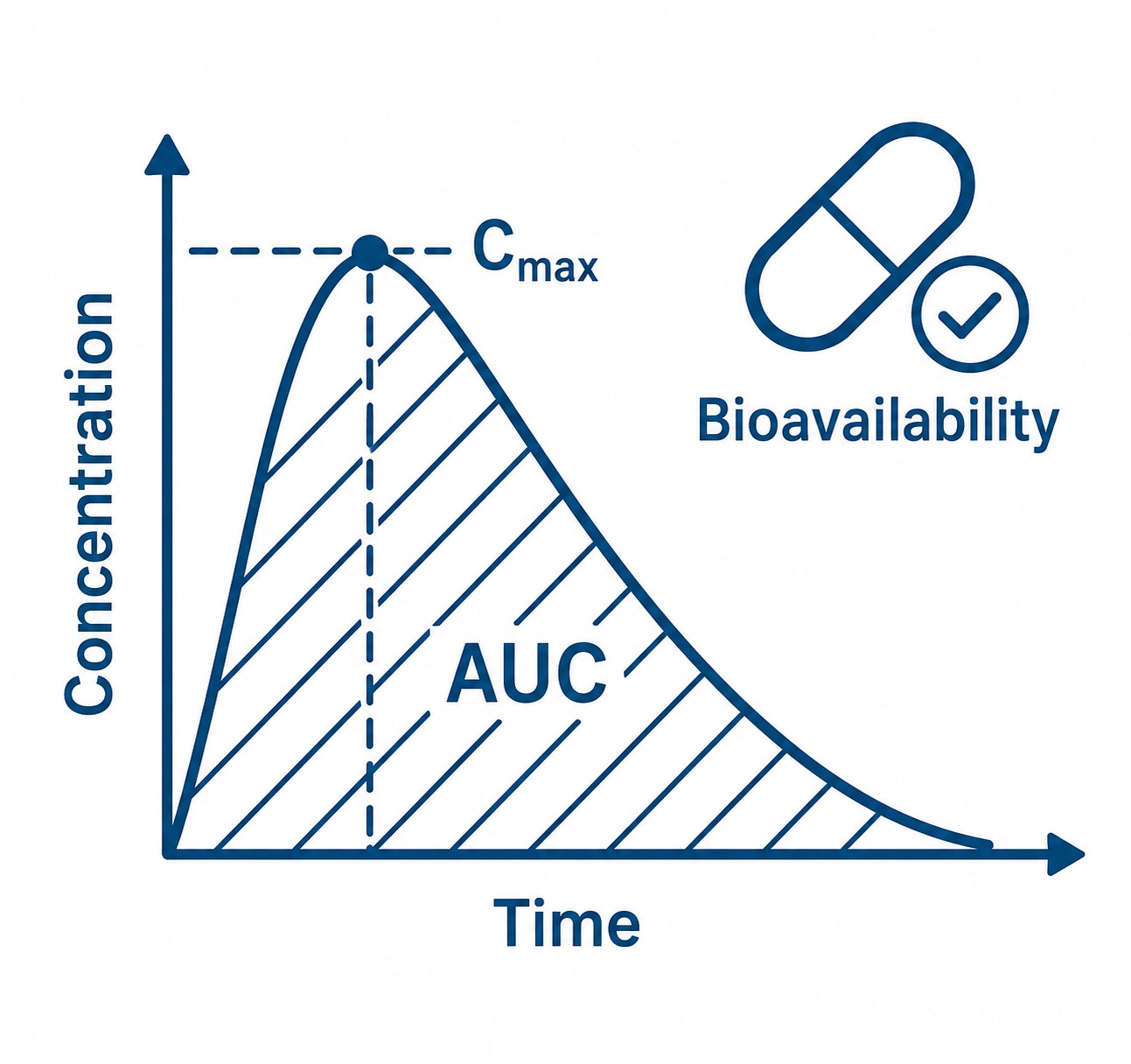
Free UA, total UA, and conjugated UA concentrations per sample (ng/mL or ng/g) with SD, LOD/LOQ, and QC flags. Calculated PK parameters (Cmax, Tmax, AUC, t1/2) available for PK studies.
QA/QC Report
Calibration linearity, IS recovery, hydrolysis efficiency control, QC accuracy/precision, batch trend plots.
MRM Chromatograms
Annotated chromatograms for free UA and total UA per batch with retention time markers and IS peaks.
Raw Data and Methods Appendix
Vendor-native and .mzML files. Extraction protocol, hydrolysis conditions, UHPLC gradient, MRM transitions — fully documented.
Applications of Urolithin A Quantification
Case Study: Urolithin A First-in-Human Trial Establishes Safety and Mitochondrial
Health Benefits
The Mitophagy Activator Urolithin A Is Safe and Induces a Molecular Signature of Improved Mitochondrial and Cellular Health in Humans
Andreux, P. A., Blanco-Bose, W., Ryu, D., Burdet, F., Ibberson, M., Aebischer, P., Auwerx,
J., Singh, A., and Rinsch, C. | Nature Metabolism, 2019, 1(6), 595–603
DOI: 10.1038/s42255-019-0073-4
Background
Urolithin A had shown potent mitophagy-activating and anti-aging effects in preclinical models — extending
lifespan in C. elegans and improving muscle function in aged mice — but had never been tested in humans. The
key questions: is it safe at clinically relevant doses, is it bioavailable after oral administration, and
does it produce the same mitochondrial health signature observed in preclinical models?
Challenge: Conduct the first-in-human clinical trial of urolithin A, establishing safety,
pharmacokinetics, and pharmacodynamic biomarkers of mitochondrial health across a range of doses.
Key Findings
| Metric |
Finding |
| Study design |
Randomized, double-blind, placebo-controlled; 60 healthy elderly subjects; single ascending dose
(250–2,000 mg) and 4-week multiple dose (250–1,000 mg/day) |
| Safety |
Favorable safety profile at all doses; no serious adverse events attributed to UA |
| Bioavailability |
Plasma UA detectable at all doses; free UA and total UA quantified by LC-MS/MS; dose-proportional
exposure confirmed |
| Mitochondrial health biomarkers |
4 weeks of UA at 500 mg and 1,000 mg modulated plasma acylcarnitines and altered skeletal muscle
mitochondrial gene expression — consistent with improved mitochondrial efficiency |
What This Means for Your Urolithin A Research
- Plasma UA quantification is the primary PK endpoint. This trial established
LC-MS/MS-based UA quantification as the analytical method for determining systemic exposure. Our panel
uses the same analytical approach — free UA and total UA by UHPLC-MS/MS with isotope-dilution — providing
PK data directly comparable to the published literature.
- Dose-proportional PK enables formulation bridging studies. The trial demonstrated
linear PK across the 250–2,000 mg range. For supplement companies developing new UA formulations, our
panel provides the bioanalytical support to demonstrate bioequivalence or superiority to the reference
formulation used in this trial.
- Acylcarnitines are the pharmacodynamic biomarker — and they are on a separate panel.
The trial used plasma acylcarnitine modulation as the PD readout for mitochondrial health. Our UA panel
quantifies the PK endpoint; acylcarnitine profiling for PD is available through our fatty acid analysis service.
Conclusion
This first-in-human trial validated urolithin A as a safe, bioavailable mitophagy activator and established
the PK/PD framework used by every subsequent UA clinical trial. Our UA analysis panel provides the same
bioanalytical capability — free and total UA quantification by UHPLC-MS/MS — enabling you to generate PK
data directly comparable to this landmark study.
Read the full paper: Andreux et al., Nature Metabolism, 2019
The Mitophagy Activator Urolithin A Is Safe and Induces a Molecular Signature of Improved Mitochondrial and Cellular Health in Humans
Andreux, P. A., Blanco-Bose, W., Ryu, D., et al.
Journal: Nature Metabolism, 2019, 1(6), 595–603
First-in-human clinical trial of urolithin A. Established safety, PK, and mitochondrial health biomarkers
in 60 elderly subjects across 250–2,000 mg doses. Foundation for all subsequent UA clinical development.
UPLC-MS/MS Method for Simultaneous Quantification of Cyclosporine A and Urolithin A in Plasma and Interspecies Analysis Across Mammals Including Humans
Heyns, I. M., Ganugula, R., Arora, M., and Kumar, M. N. V. R.
Journal: ACS Omega, 2025, 10(6), 5976–5986
Validated UPLC-MS/MS method for UA quantification across six mammalian species. LOQ 1–2.5 ng/mL, 6-minute
run time, ICH-validated. Demonstrates multi-species applicability of UA bioanalysis.

 Contact Us