What is Volatilomics?
Volatilomics is the comprehensive qualitative and quantitative analysis of the volatile organic compounds (VOCs) and microbial volatile organic compounds (mVOCs) emitted by a biological system. These low-molecular-weight metabolites (<300 Da) serve as critical signaling molecules in plant-pathogen interactions, microbial communities, and metabolic disease pathways. Due to their high volatility and low abundance, capturing the "volatile metabolome" requires specialized sampling and high-resolution separation techniques.
Common Challenges in VOC Analysis
Researchers often face significant hurdles when analyzing volatiles, which our optimized service addresses:
- Low Abundance & Instability: VOCs are often transient and present at trace levels. We use sensitive SPME enrichment to concentrate analytes without thermal degradation.
- Matrix Interference: Complex samples like soil or feces create background noise. Our deconvolution algorithms and background subtraction protocols ensure clean peak identification.
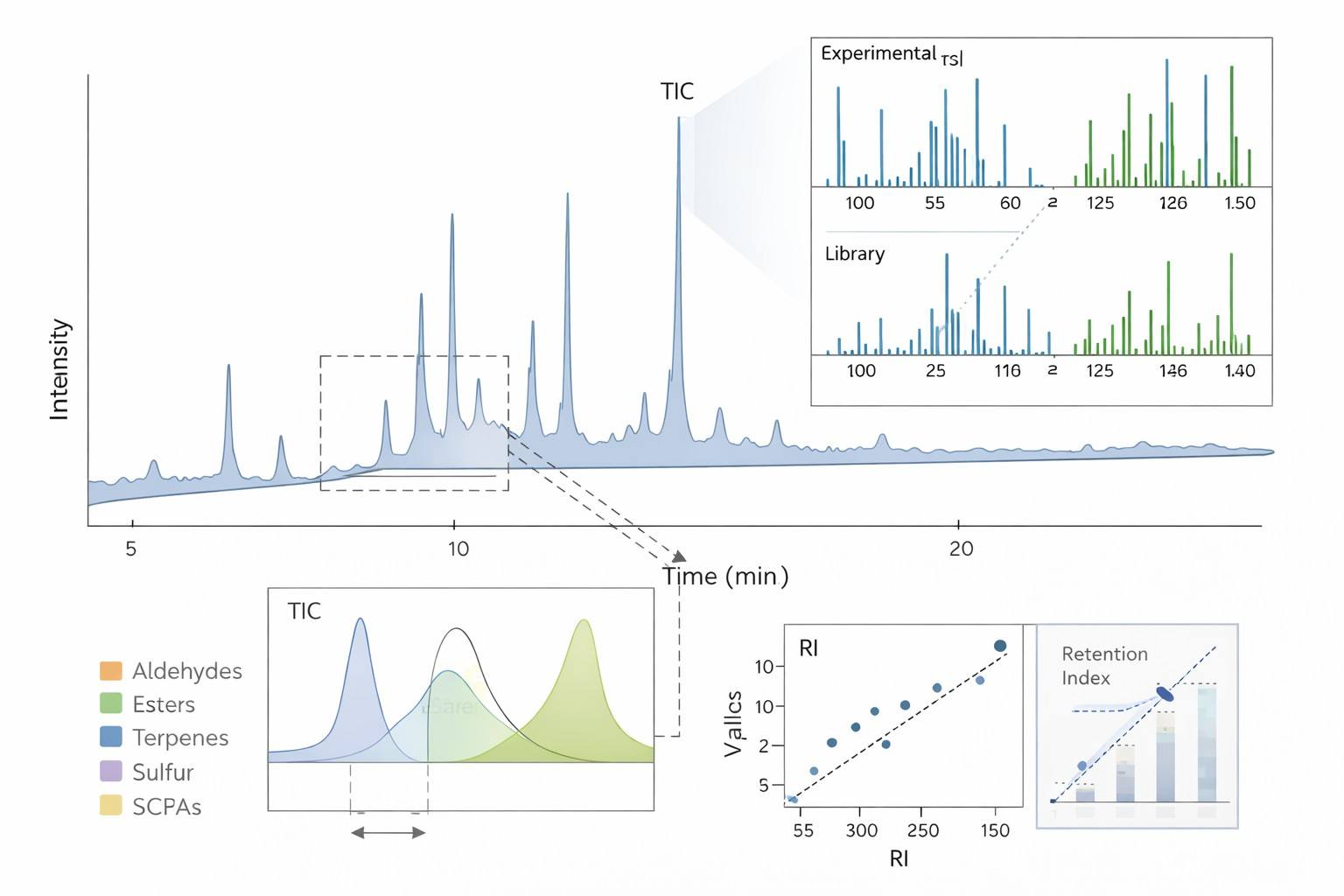
- Identification Uncertainty: Relying solely on mass spectral matching can lead to false positives. We incorporate Retention Index (RI) standards to validate identity against library data.
What We Offer: Volatilomics Service Scope
We offer flexible workflows designed to match your research stage, from broad hypothesis generation to precise validation.
Untargeted Volatilomics Profiling
Ideal for Discovery Stage research. This workflow maximizes broad coverage to detect as many VOCs as possible (unknowns and knowns).
- Goal: Biomarker discovery, phenotype comparison, and metabolic fingerprinting.
- Method: HS-SPME-GC-MS with full-scan data acquisition.
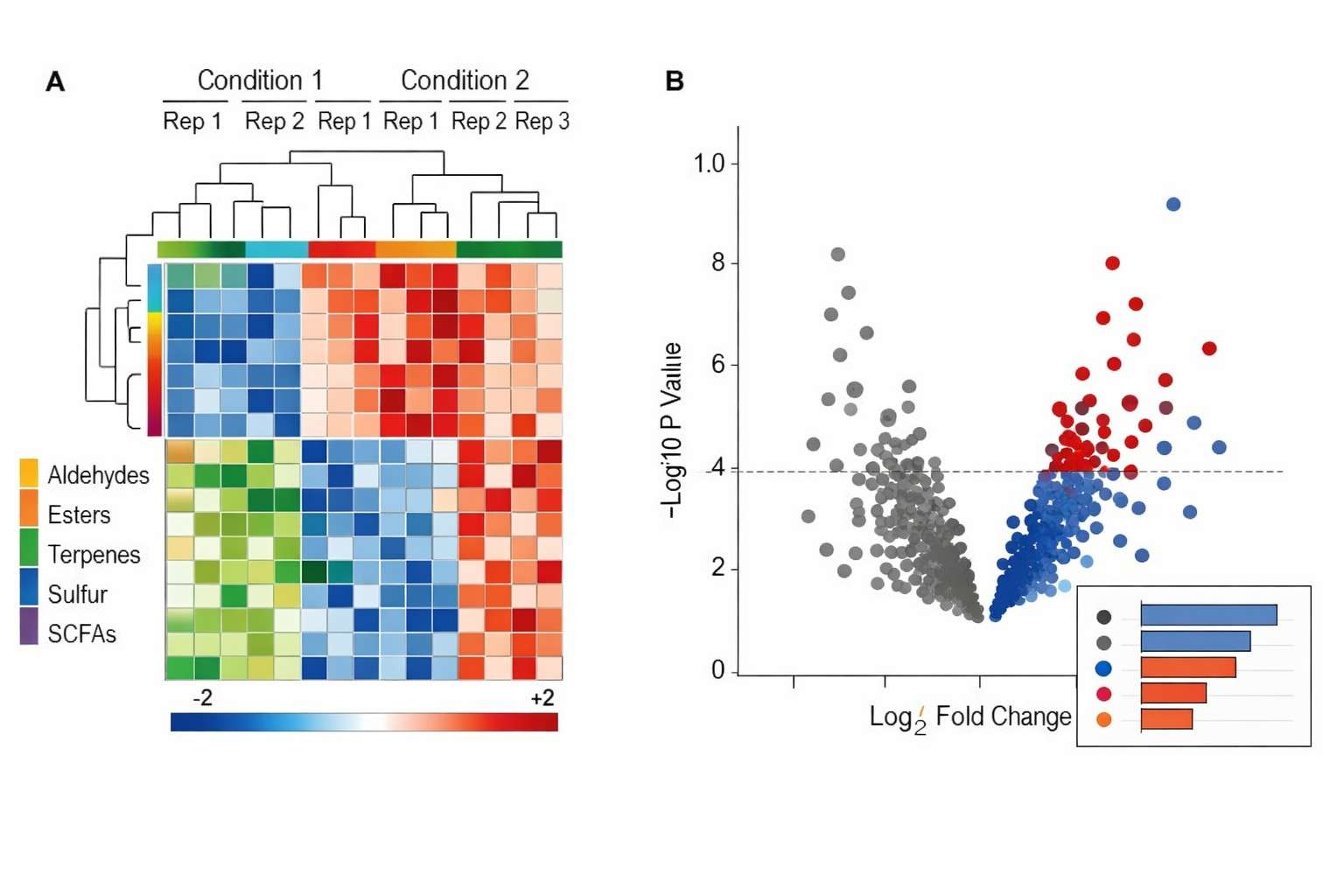
- Output: Relative quantification and annotation of hundreds of VOCs (e.g., aldehydes, esters, terpenes, sulfur compounds).
Targeted VOC Quantification
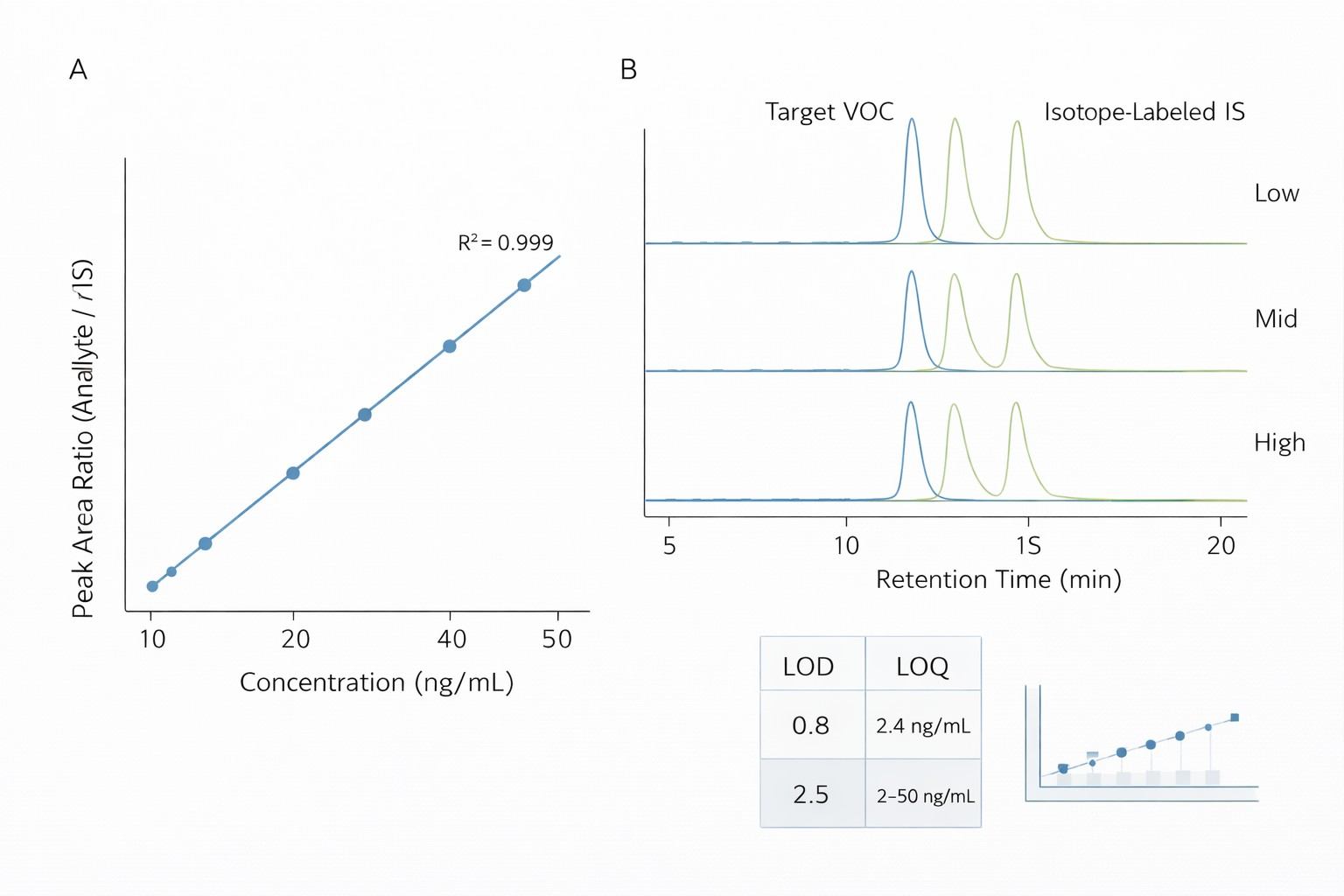
Ideal for Validation Stage research. This workflow targets a specific list of volatile metabolites for absolute or relative quantification using isotope-labeled internal standards.
- Goal: Validating candidate biomarkers or monitoring specific aroma compounds.
- Method: GC-MS (SIM mode) or GC-MS/MS (MRM) for high sensitivity.
- Output: Absolute concentration curves (e.g., ng/mL or ng/g) and high-precision data.
Representative Target List (Examples)
We can customize panels based on your specific needs. Common target classes include:
| Compound Class |
Representative Analytes (Examples) |
Use Cases |
| Short-Chain Fatty Acids (SCFAs) |
Acetic acid, Propionic acid, Butyric acid, Valeric acid |
Gut microbiome, Fermentation |
| Aldehydes & Ketones |
Hexanal, Nonanal, Benzaldehyde, Acetoin, 2,3-Butanedione |
Lipid oxidation, Oxidative stress, Dairy flavor |
| Terpenes & Terpenoids |
Limonene, α-Pinene, Linalool, Geraniol, Menthol |
Plant aroma, Essential oils, Insect signaling |
| Alcohols & Esters |
Ethanol, 1-Octen-3-ol, Ethyl acetate, Isoamyl acetate |
Fruit ripening, Yeast metabolism, Spoilage |
| Sulfur Compounds |
Dimethyl sulfide (DMS), Methanethiol, DMDS |
Food spoilage, Breath biomarkers, Soil health |
Panels are customizable; final target list depends on matrix, expected concentration range, and derivatization needs (if any).
Advantages of Volatilomics Analysis Service
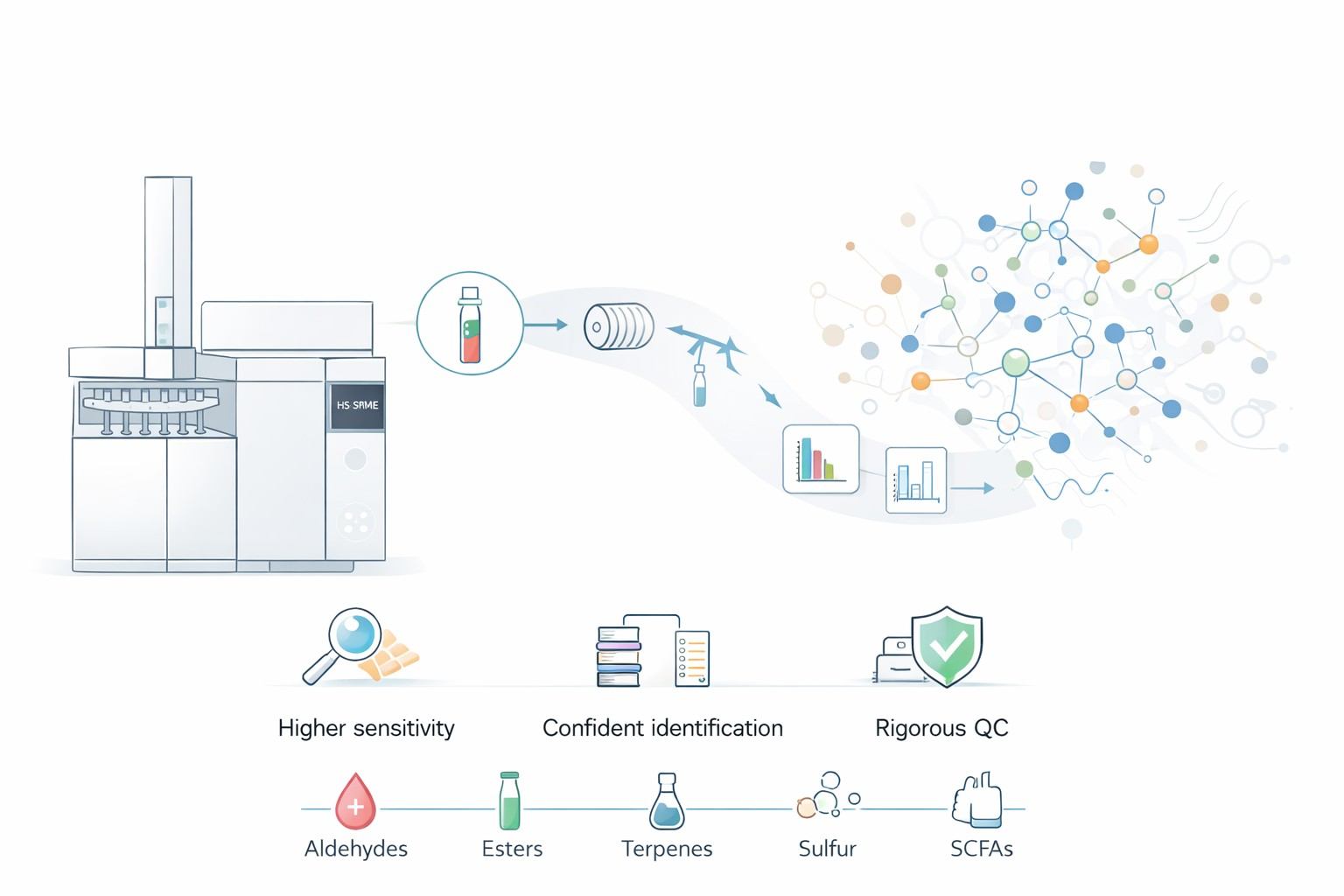
- Broad VOC coverage per run: untargeted HS-SPME-GC-MS typically reports hundreds of VOC features across major chemical classes.
- Trace-level enrichment via SPME improves detection of low-abundance VOCs with minimal sample manipulation.
- Flexible sample compatibility across biofluids, tissues, microbial cultures/broth, feces/soil, and gas samples.
- Two-track workflow supports discovery screening and targeted validation within the same service path.
- Targeted workflows provide absolute concentrations (e.g., ng/mL or ng/g) using calibration curves and internal standards.
- Higher-confidence compound identification by combining library matching with retention index confirmation.
- Improved resolution of complex mixtures through column selection (polar vs non-polar) and optimized separation conditions.
- High-throughput processing enabled by automated headspace/SPME sampling for consistent incubation and injection conditions.
- Actionable deliverables beyond peak lists, including standard plots and ranked candidate tables for follow-up.
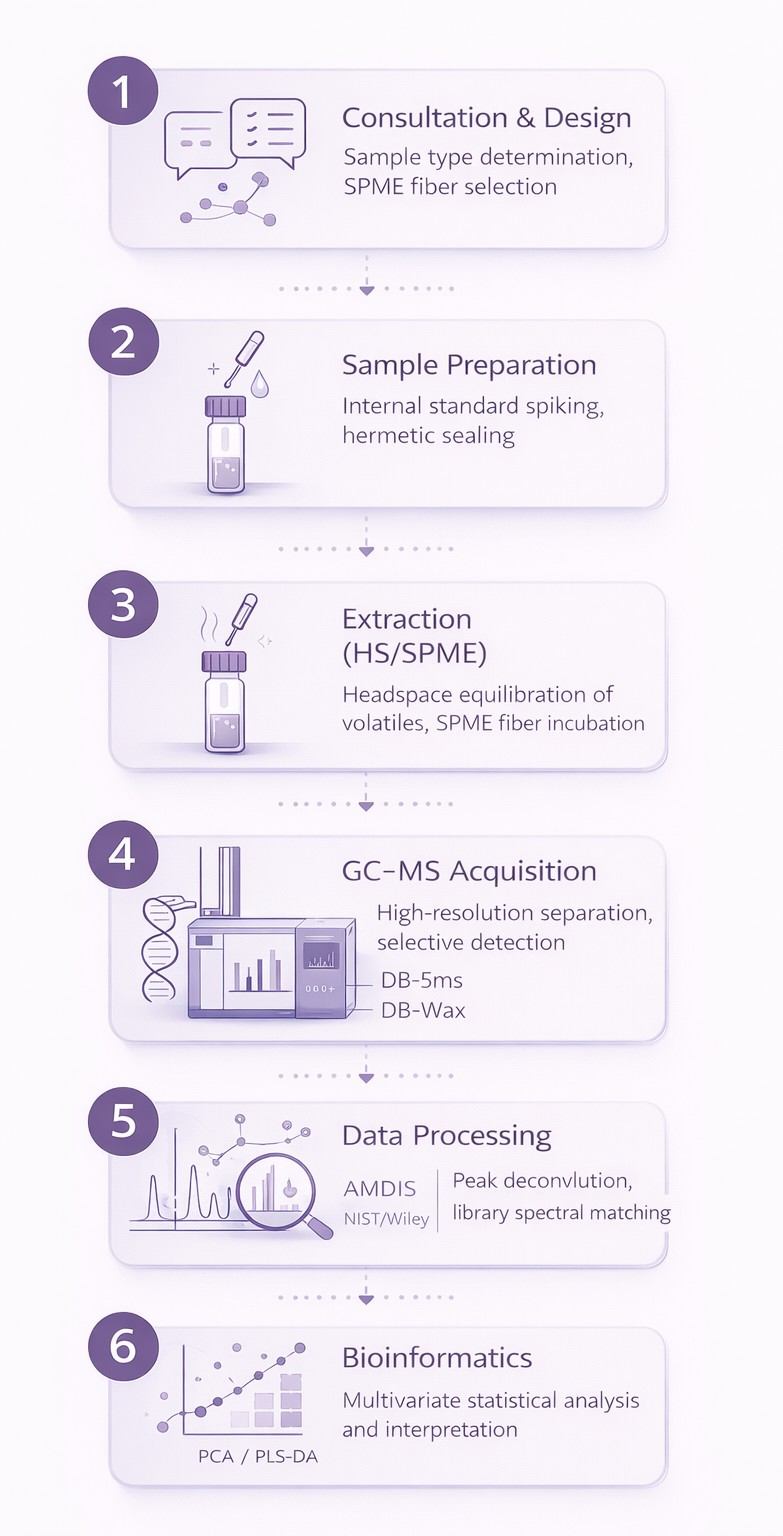
Analytical Workflow for Volatilomics Analysis
Analytical Platforms for Volatilomics
Our facility utilizes industry-leading Agilent and Thermo Fisher GC-MS systems equipped with automated sampling robots to ensure throughput and reproducibility.
High-resolution GC-HRMS (Orbitrap/QTOF/TOF): Utilized for untargeted discovery to resolve isobaric compounds and identify unknowns with high mass accuracy.
Triple quadrupole GC-MS/MS (MRM): Deployed for targeted quantification (MRM mode) to achieve maximum sensitivity and wide dynamic range.
Detectors: Electron Impact (EI) for standard library matching and Chemical Ionization (CI) for molecular ion confirmation.
Quality Control & Reproducibility
To ensure data integrity suitable for publication, we implement a multi-layered QC strategy for every batch:
- Internal Standards (IS): Isotope-labeled standards spiked into every sample to normalize extraction efficiency and instrument response.
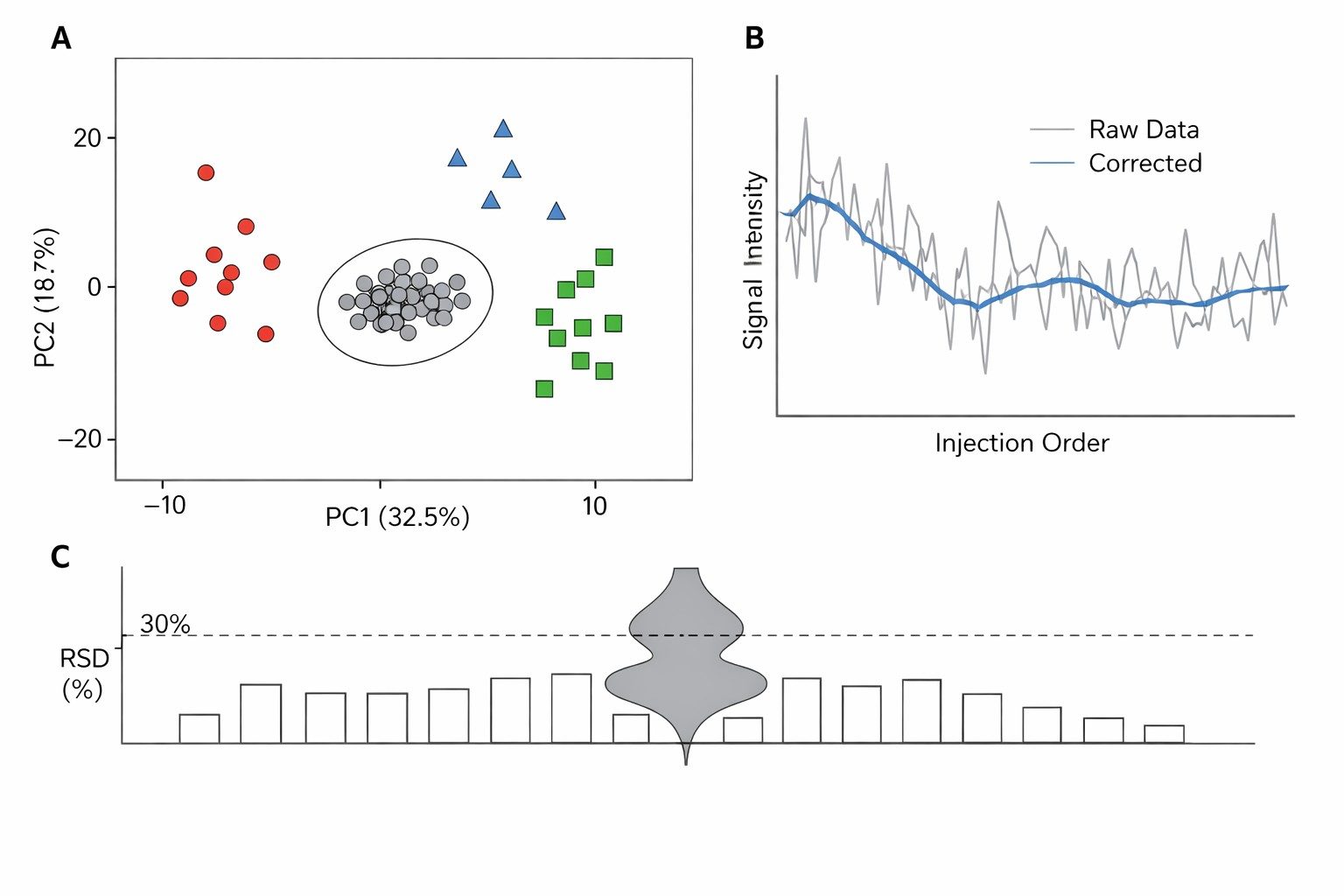
- Pooled QC Samples: A mix of all study samples injected every 5–10 runs to monitor and correct system drift.
- Blank Controls: Empty vials and solvent blanks analyzed to subtract background noise and identify contaminants.
- Retention Index (RI) Calibration: Alkane ladders run to calculate RIs, ensuring identification is not based on mass spectrum alone.
- Acceptance Criteria: Strict RSD thresholds (typically <30% for untargeted features in QC pools).
Sample Types & Submission Requirements
Proper handling is critical to prevent volatile loss. Please consult our team before collection.
| Sample Type |
Recommended Amount |
Collection & Storage |
Shipping Condition |
| Biofluids (Plasma, Urine) |
200 µL – 500 µL |
Aliquot into screw-cap tubes immediately; flash freeze. |
Dry Ice |
| Solid Tissues (Plant, Animal) |
100 mg – 500 mg |
Harvest quickly, weigh, and flash freeze in liquid nitrogen. |
Dry Ice |
| Microbial Culture/Broth |
5 mL – 10 mL |
Quench metabolism (if needed); seal in airtight vials. |
Dry Ice |
| Feces/Soil |
200 mg – 1 g |
Collect in airtight containers to prevent cross-contamination. |
Dry Ice |
| Gas Samples |
Consult Expert |
Specialized Tedlar bags or adsorption tubes required. |
Ambient/Ice Pack |
Deliverables: Quantitative Data Package and QC Report
Our standard deliverables are designed to be fully auditable and compatible with downstream bioinformatics analysis.
Data Tables & Raw Files
- Raw Data: Full access to raw instrument files (.raw, .d) and converted open formats (.mzML, .cdf) compatible with XCMS or MZmine.
- Processed Matrix: Normalized peak area tables ready for statistical software.
- Annotated List: Detailed metabolite identification table including CAS numbers, retention times, and spectral match scores.
Representative Data Visualization
We provide high-resolution, publication-ready figures to visualize your volatilomics data.
Application Areas and Use Cases for VOC Profiling (GC-MS Volatilomics)
Overexpression of maize ZmLOX6 in Arabidopsis thaliana enhances damage-induced pentyl leaf volatile emissions that affect plant growth and interaction with aphids
Tolley, J. P., Gorman, Z., Lei, J., et al.
Journal: Journal of Experimental Botany
Year: 2023
DOI: https://doi.org/10.1093/jxb/erac522
Service: Volatilomics analysis by HS-SPME-GC-MS (VOC profiling)
Anti-inflammatory activity of black soldier fly oil associated with modulation of tlr signaling: A metabolomic approach
Richter, H., Gover, O., & Schwartz, B.
Journal: International Journal of Molecular Sciences
Year: 2023
DOI: https://doi.org/10.3390/ijms241310634
Service: Untargeted metabolomics (discovery profiling)
Physiological, transcriptomic and metabolomic insights of three extremophyte woody species living in the multi-stress environment of the Atacama Desert
Gajardo, H. A., Morales, M., Larama, G., et al.
Journal: Planta
Year: 2024
DOI: https://doi.org/10.1007/s00425-024-04484-1
Service: Metabolomics profiling for stress-response studies
Hierarchical glycolytic pathways control the carbohydrate utilization regulator in human gut Bacteroides
Kabonick, S. G., et al.
Journal: Nature Communications
Year: 2025
DOI: https://doi.org/10.1038/s41467-025-59704-3
Service: Metabolomics-informed microbiome functional studies (small-molecule profiling)
Metabolic reprogramming in saliva of mice treated with the environmental and tobacco carcinogen dibenzo[def, p]chrysene
Sun, Y. W., et al.
Journal: Scientific Reports
Year: 2024
DOI: https://doi.org/10.1038/s41598-024-80921-1
Service: Biofluid metabolomics for exposure/toxicology research


 Contact Us