

Zeaxanthin Analysis Service
Submit Your InquiryWhat is Zeaxanthin?
Zeaxanthin, a xanthophyll carotenoid (C₄₀H₅₆O₂), is a critical antioxidant and light-filtering pigment found in plants, algae, and photosynthetic bacteria. As a key component of the human macular pigment, it protects retinal cells from oxidative damage and blue light exposure. Unlike animals, which must obtain zeaxanthin through diet, plants synthesize it via the carotenoid biosynthesis pathway, starting with geranylgeranyl diphosphate and involving enzymes such as lycopene β-cyclase (LycB) and zeaxanthin epoxidase (ZEP). Structurally, zeaxanthin differs from lutein in its double-bond arrangement, enhancing its role in photoprotection and oxidative stress mitigation.
Why Choose Us?
Zeaxanthin Analysis Services by Creative Proteomics
- Zeaxanthin Quantification – Accurate measurement of zeaxanthin content in various samples using advanced chromatographic and spectrometric techniques.
- Zeaxanthin Profiling – Comprehensive analysis of zeaxanthin and its related carotenoids to study metabolic pathways and biosynthesis.
- Zeaxanthin Stability Testing – Evaluation of zeaxanthin stability under different environmental conditions (e.g., temperature, light exposure, pH).
- Zeaxanthin Distribution Analysis – Detection and quantification of zeaxanthin in different biological matrices, including plant tissues, food products, and supplements.
- Comparative Zeaxanthin Analysis – Comparative studies of zeaxanthin levels across different plant varieties, food products, or experimental conditions.
- Customized Zeaxanthin Analysis – Tailored analytical solutions to meet specific research or industrial requirements, including method development and validation.
List of Detected Zeaxanthin and Related Metabolites
| Category | Detected Compounds |
|---|---|
| Carotenoids | Zeaxanthin, Lutein, β-Carotene, α-Carotene, Cryptoxanthin |
| Zeaxanthin Derivatives | Zeaxanthin Epoxide, Violaxanthin, Neoxanthin |
| Oxidative Metabolites | Zeaxanthin Quinone, Apocarotenoids |
| Precursor Carotenoids | Phytoene, Phytofluene, Lycopene, Astaxanthin |
Methods and Instrumentation for Zeaxanthin Assay
HPLC-DAD – Agilent 1200 Series HPLC, detects zeaxanthin at 450 nm.
UPLC-PDA – Waters ACQUITY UPLC, enhances separation with higher resolution.
LC-MS/MS – AB SCIEX Triple Quadrupole 6500+, highly sensitive quantification.
GC-MS – Agilent 7890B GC & 5977A MS, detects derivatized carotenoids.
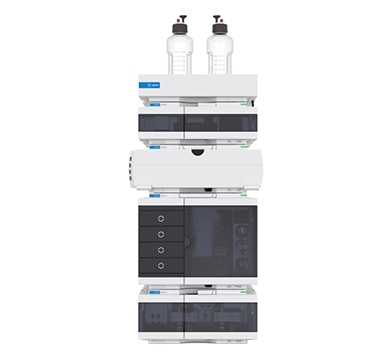 Agilent 1260 Infinity II HPLC (Figure from Agilent)
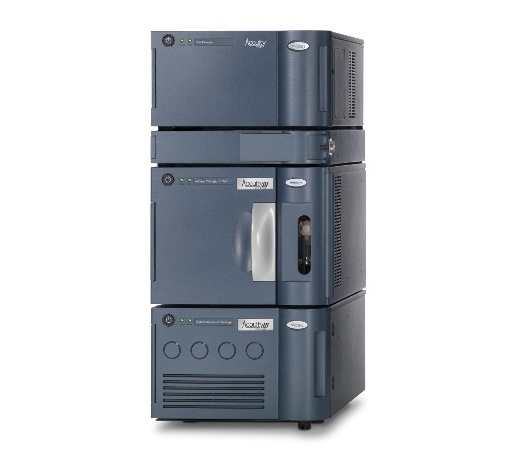 Waters ACQUITY UPLC System (Figure from Waters)
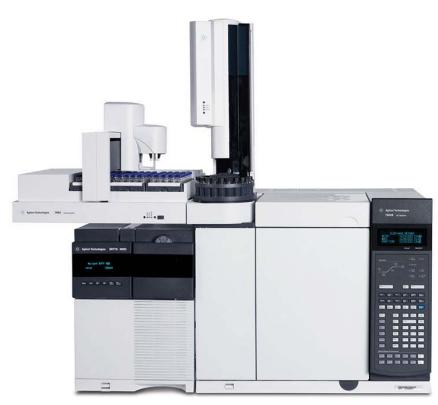 Agilent 7890B-5977B (Figure from Agilent)
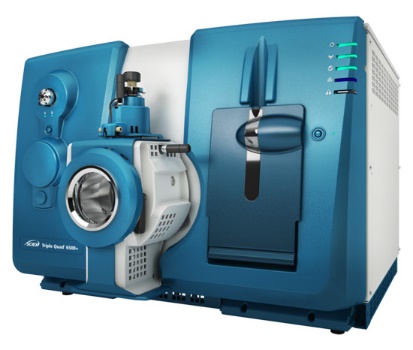 SCIEX Triple Quad™ 6500+ (Figure from Sciex)
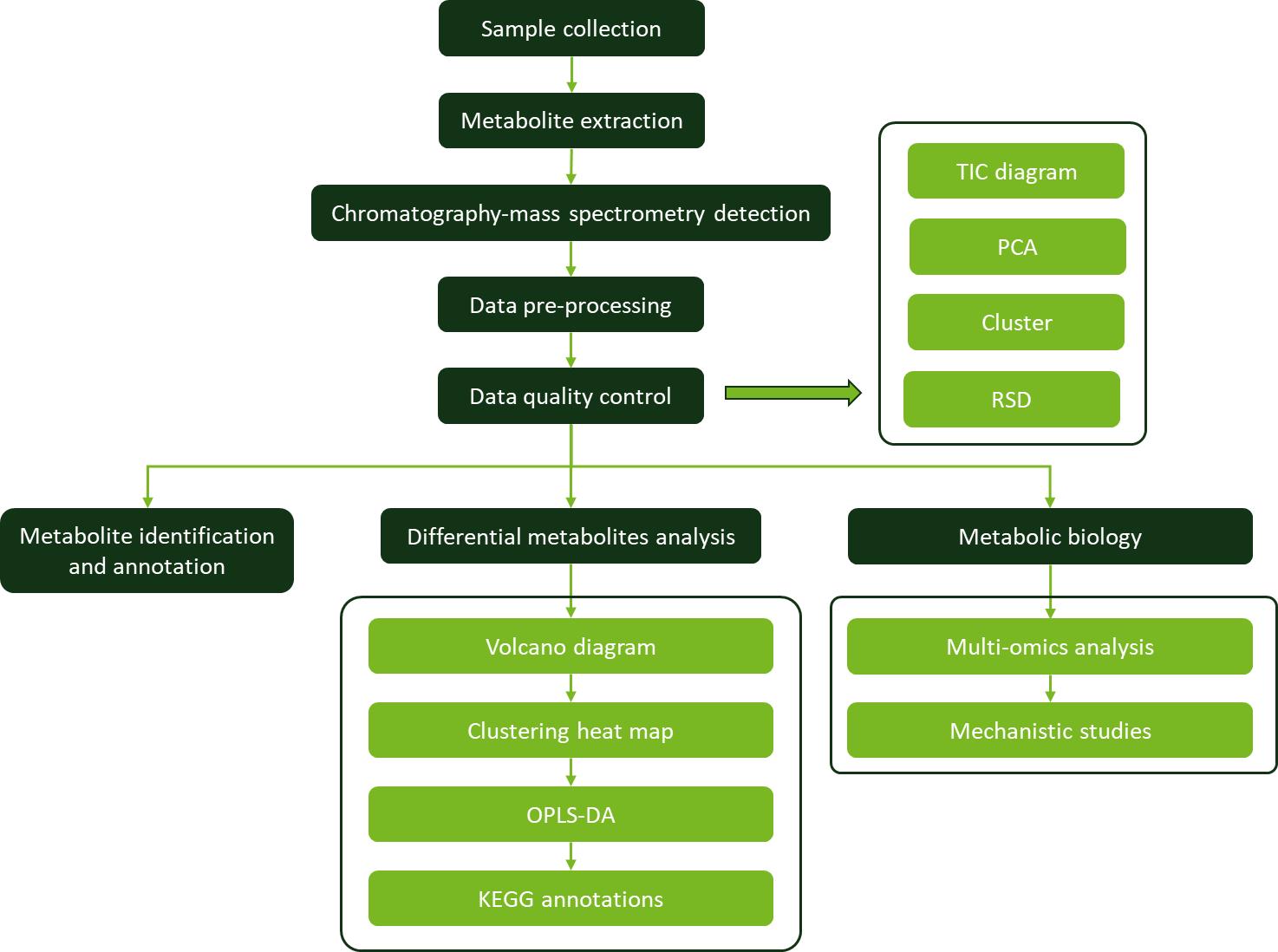
Workflow for Zeaxanthin Analysis Service
Sample Requirements for Zeaxanthin Assay
| Sample Types | Minimum Sample Size | Biological Repeat | |
|---|---|---|---|
| Plant Tissues | Stem, leaf, flower tissue | ≥1 g | 3-6 |
| bud, node, fruit tissue | ≥1 g | ||
| root tissue | ≥1 g | ||
| Liquid Samples | Root exudates | 10 mL | |
| Fermentation broth, wine, tissue fluid, fruit juice | 10 mL | ||
| Honey, nectar, oil, extract | 500 μL | ||
| Specialty Samples | Cultured samples, presence of liquid | 600 mg | |
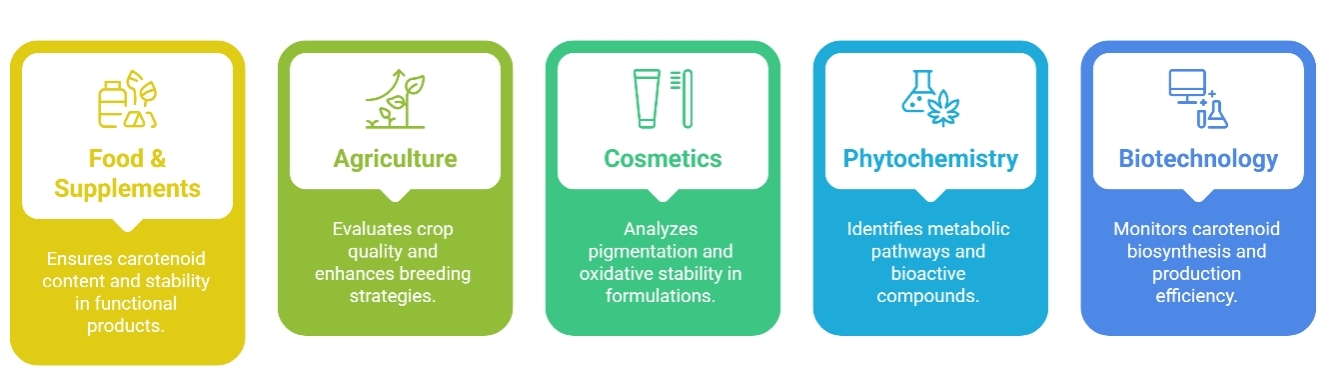
Applications of Zeaxanthin Analysis
- Q: How should light-sensitive zeaxanthin samples be handled during preparation?
- A: Samples must be shielded from light during collection and processing to prevent isomerization or degradation. Use amber vials for storage and conduct homogenization/extraction under dim light. Freeze-dried plant tissues should be stored at -80°C.
- Q: What is the difference between saponified and non-saponified zeaxanthin analysis?
- A: Saponification involves hydrolyzing esterified zeaxanthin (e.g., zeaxanthin dipalmitate) into free forms using alkaline conditions, enabling total xanthophyll quantification. Non-saponified analysis focuses on free zeaxanthin and intact esters.
- Q: Can your methods distinguish between zeaxanthin stereoisomers (e.g., 3′-epi-zeaxanthin)?
- A: Yes, our LC-MS/MS workflows employ chiral chromatography columns (e.g., Chiralpak AD-H) and multiple reaction monitoring (MRM) to resolve stereoisomers, ensuring precise identification of 3′-epi-zeaxanthin and meso-zeaxanthin.
- Q: What are the detection limits for zeaxanthin in biological samples?
- A: Our LC-MS/MS platform achieves detection limits as low as 0.1 ng/mL for free zeaxanthin in serum/plasma, validated using isotope-labeled standards. For plant tissues, sensitivity ranges from 0.5–5 ng/g depending on matrix complexity.
- Q: How do HPLC-DAD and LC-MS/MS differ in zeaxanthin analysis?
-
A: HPLC-DAD: Ideal for high-throughput screening of major carotenoids (e.g., in supplements) with UV-Vis detection at 450 nm.
LC-MS/MS: Provides structural confirmation, isomer resolution, and trace-level quantification, suitable for complex matrices like retinal tissues.
- Q: What sample types are compatible with your zeaxanthin analysis service?
- A: We accept plant tissues (1 g minimum), serum/plasma (500 µl), supplements (200 mg), and algae. Samples must be homogenized, freeze-dried (plant/algae), or centrifuged (biofluids) to ensure stability.
- Q: Do you support analysis of zeaxanthin metabolites or pathway intermediates?
- A: Yes, our metabolic profiling covers upstream/downstream intermediates such as violaxanthin, antheraxanthin, and β-cryptoxanthin. Enzyme activity assays (e.g., ZEP) are also available upon request.
- Q: What data interpretation services are included?
- A: Reports include absolute quantification values, isotope-standard ratios, pathway mapping, and statistical validation (RSD < 5%). Customized insights, such as oxidative stability in food matrices, can be added.
- Q: Can you analyze zeaxanthin in heat-processed or formulated products?
- A: Yes, our methods are optimized for thermally processed samples (e.g., supplements, cooked vegetables). We account for matrix effects using solvent extraction and column regeneration protocols to maintain accuracy.
- Q: What is the typical turnaround time for a zeaxanthin analysis project?
- A: Standard projects require 1–4 weeks, depending on sample volume and analysis depth (e.g., ester profiling vs. full metabolic pathway analysis). Rush services are available for time-sensitive studies.
Case. Melatonin alleviates drought stress and increases lutein and zeaxanthin industrial pigments in African marigold by some physiological regulations
Background:
The effects of drought stress on African marigold and the role of melatonin in alleviating stress were investigated.
The study aimed to explore how melatonin influences the agro-morphological traits, biochemical processes, and phytochemical profiles of African marigold under different drought stress levels.
Samples:
African marigold (Tagetes erecta L.) seeds of the F1-yellow dwarf variety were planted in pots with specific soil composition in the research greenhouse of Ilam University.
Plants were subjected to 4 levels of drought stress (100%, 80%, 60%, 40% FC) and 3 levels of melatonin treatment (0, 100, 200 µmol).
Technical methods procedure:
Morphological traits including plant height, fresh and dry weights of shoots, roots, and flowers, as well as flower diameter were measured using rulers, digital scales, and calipers.
Leaf surface area was determined using a digital area meter.
Chlorophyll and carotenoid contents were analyzed by grinding leaf samples in acetone and measuring absorbance at specific wavelengths through a spectrophotometer.
Lutein concentration was measured by powdering flower samples, mixing them with solvents, filtering, centrifuging, and measuring absorbance at 446 nm.
Zeaxanthin content was determined using HPLC with a designated column and mobile phase.
Free proline content was measured by mixing powdered leaves with liquid nitrogen and reagents, followed by centrifugation, reaction, and absorbance measurement at 520 nm.
Electrolyte leakage was measured using a digital EC meter.
Hydrogen peroxide content was analyzed by the potassium iodide reaction method and absorbance measurement at 390 nm.
Antioxidant activity was measured by adding DPPH solution to extracts and calculating the free radical percentage based on absorbance at 517 nm.
Catalase, peroxidase, and superoxide dismutase enzyme activities were measured by their respective reaction methods and monitoring absorbance changes.
GABA was quantified by homogenizing leaf tissue, extracting, filtering, injecting into HPLC, and using a fluorometric detector.
Protein content was measured by grinding leaf tissue in buffer, centrifuging, and using a spectrophotometer with a standard curve.
Results:
The changes in agro-morphological traits under drought stress and the improvement effects of melatonin treatments were analyzed and reported.
The variations in chlorophyll, carotenoids, lutein and zeaxanthin contents with stress levels and melatonin treatments were determined.
The effects of melatonin on hydrogen peroxide, superoxide, electrolyte leakage, proline, protein content, DPPH activity and antioxidant enzyme activities were analyzed.
The relationship between melatonin treatment and GABA content was investigated.
Melatonin treatments were found to enhance plant growth, increase pigment contents, improve antioxidant capacity and osmolality under drought stress.
The 200 µmol melatonin treatment showed better performance in most aspects.
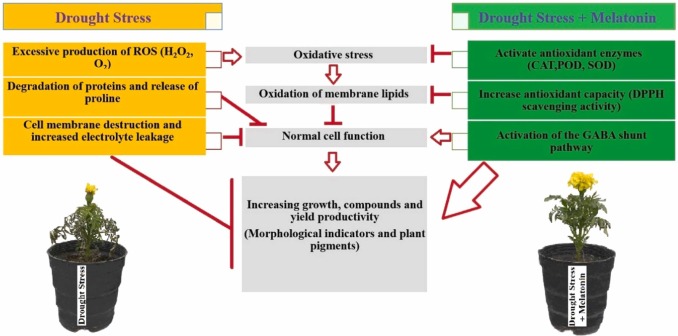 The multiple mechanisms of melatonin-induced alleviation of drought sress responses in plants
Reference
- Meisam Mohammadi, et al. "Melatonin alleviates drought stress and increases lutein and zeaxanthin industrial pigments in African marigold by some physiological regulations." Journal of Industrial Crops and Products (2024): 120089. https://doi.org/10.1016/j.indcrop.2024.120089

 Contact Us