Why Organ-on-a-Chip Metabolomics Needs Dedicated Methods
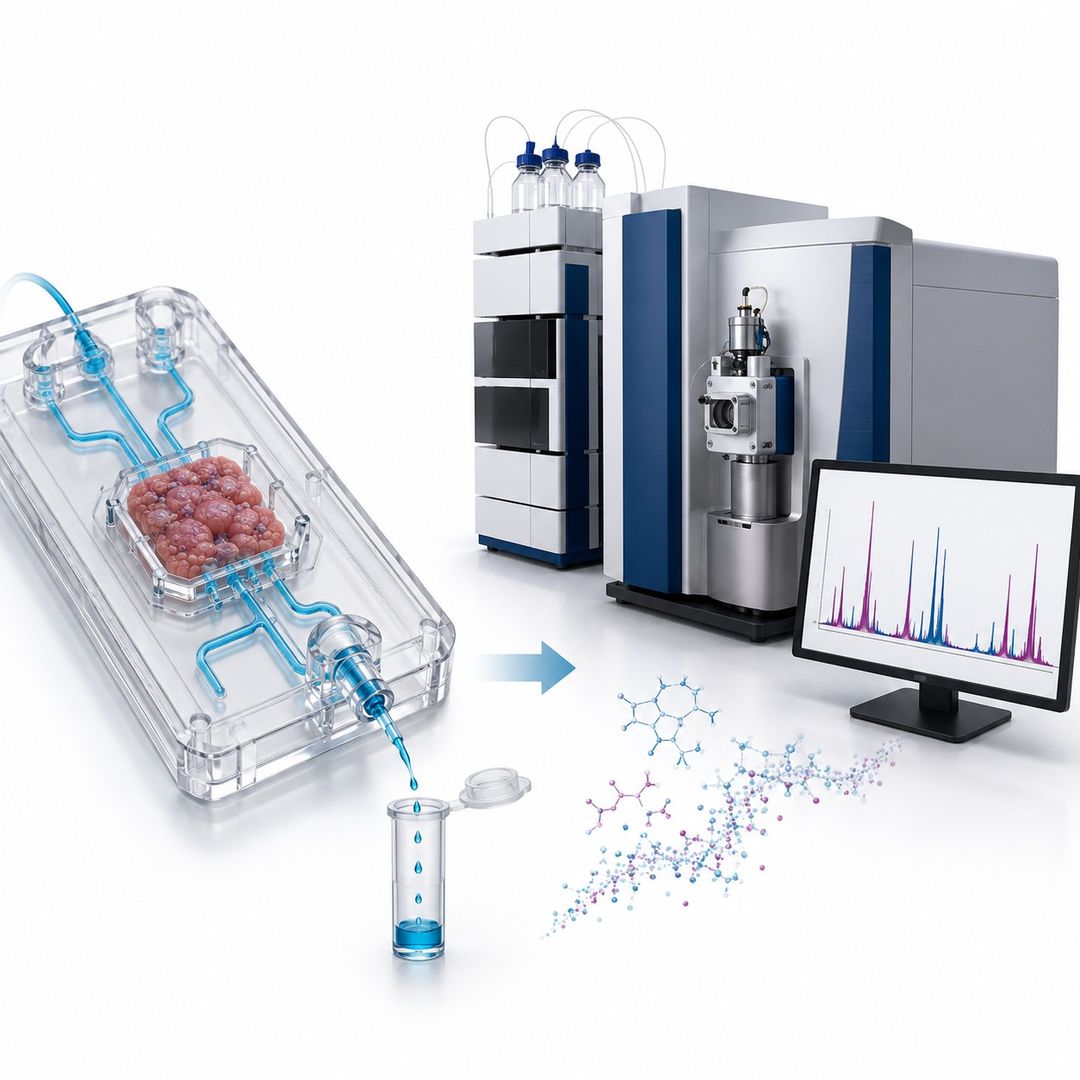
Microphysiological systems connect living cells in microfluidic chambers under continuous perfusion, recapitulating organ-level physiology that static culture cannot. The metabolome is the most direct readout of what those cells are doing — substrate consumption, metabolite release, and drug conversion — in real time and in response to intervention.
But organ-on-a-chip samples break the assumptions of conventional metabolomics. Effluent volumes are measured in tens to low hundreds of microliters. Cell numbers are orders of magnitude below flask culture. And the medium that perfuses the chip is a complex biological matrix loaded with proteins, salts, amino acids, vitamins and growth factors that would swamp a standard LC-MS method.
The third obstacle is variability. Chip-to-chip differences in cell seeding, flow rate and plate position can exceed the biological signal if sample handling is not controlled. A dedicated workflow has to solve all three at once: enough sensitivity for microliter inputs, chemistry that survives the medium matrix, and a QC scheme that separates biology from instrument and platform drift. That is what our organ-on-a-chip metabolomics service is designed to solve.
Low-Volume Sampling and Microscale LC-MS Analysis
The defining constraint of MPS metabolomics is volume. A single effluent collection may yield only 50–100 µL, and some users need to sample the same chip repeatedly over time, which splits that volume further. We treat low input as the starting point, not a limitation.
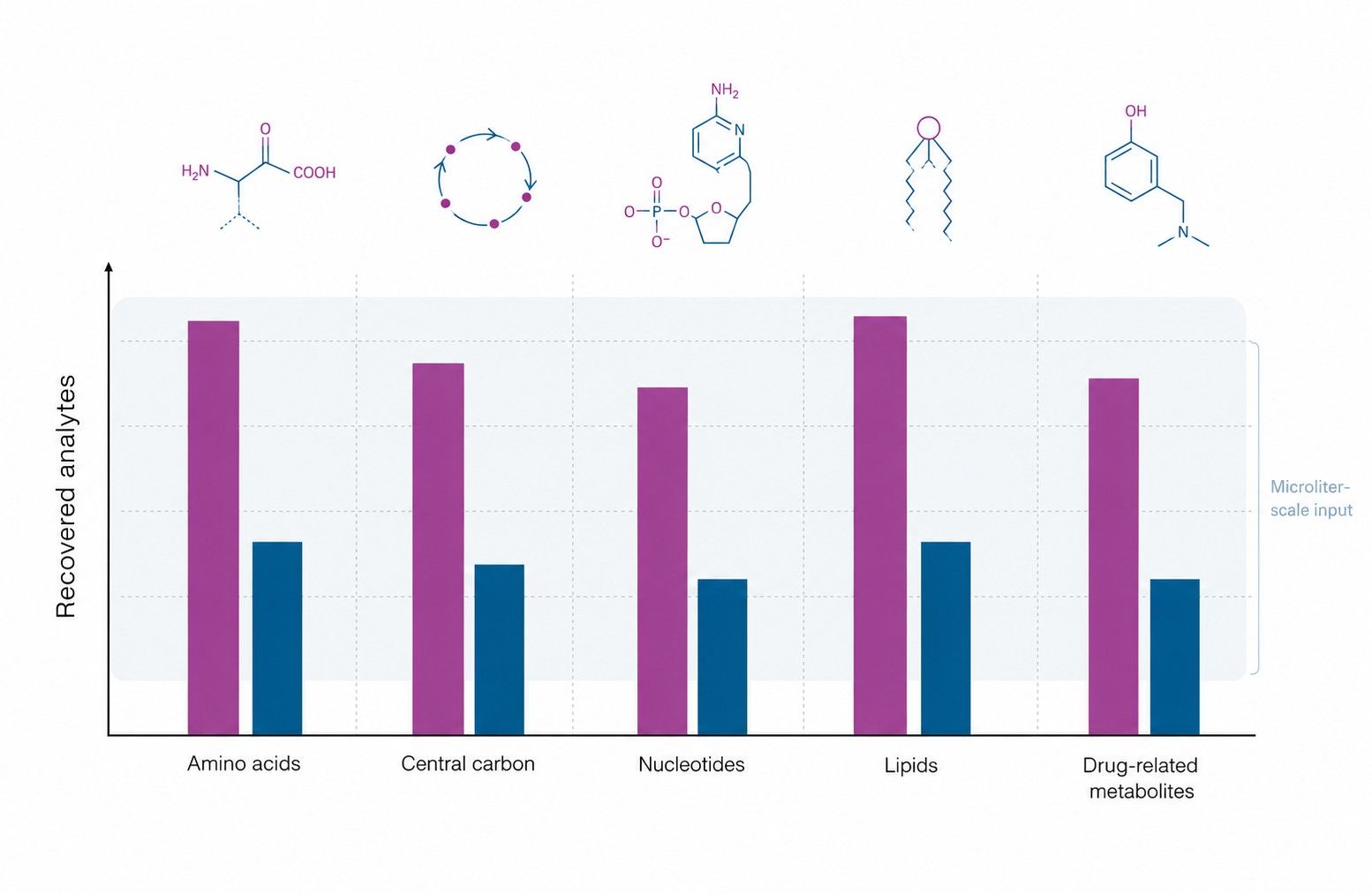
- Validated low-volume LC-MS — microflow and nanoflow LC configurations concentrate small injection volumes while preserving chromatographic resolution, so polar metabolites, lipids and drug-related species are recovered from microliter inputs.
- Miniaturized sample preparation — protein precipitation, micro-solid-phase extraction (micro-SPE) and online desalting are scaled to handle 10–100 µL of effluent or medium, removing the high-salt, protein-rich perfusate before LC-MS to control ion suppression.
- Sensitivity headroom — high-resolution MS with isotope-labeled internal standards delivers reproducible quantification where detection limits decide success.
- Feasibility-first scoping — we confirm your chip's output volume and cell number before the project begins, so you know whether each collection supports untargeted profiling, a targeted panel, or both.
- Chip-material adsorption control — non-specific binding controls assess and correct adsorption of hydrophobic drugs and metabolites on PDMS, COC and glass chip materials, so effluent concentrations are not underestimated.
For discovery-scale questions, our untargeted metabolomics service provides the breadth to survey hundreds of features from a single microliter-scale sample before you commit to a targeted panel.
Effluent and Intracellular Metabolite Analysis
An organ-on-a-chip experiment contains two metabolically distinct compartments, and both are informative. Effluent (perfusate) carries what cells secrete and absorb: released metabolites, exocrine products, and — critically — the parent drug and its metabolites as they pass through the tissue. Intracellular metabolites capture the cells' own metabolic state at harvest: energy charge, nucleotide pools, and pathway intermediates.
- Effluent analysis — profiling of the extracellular metabolome and secretome, the compartment that supports non-destructive, time-resolved sampling.
- Intracellular analysis — quenching and extraction optimized for low cell numbers from chip chambers, with rapid cold-quench to freeze metabolic state.
- Medium matrix control — because the perfusate is a protein- and salt-rich biological medium, we run matrix-matched blanks alongside samples, apply background filtering, and report matrix effects transparently.
This dual-compartment view is where MPS metabolomics earns its place: the effluent tells you what the tissue released or metabolized over time, and the intracellular snapshot tells you what state the tissue reached. Together they reconstruct the complete metabolic narrative of an experiment. For cell-focused questions outside the chip, our cell metabolomics services hub covers the full range of culture formats.
Temporal Sampling for Time-Resolved Kinetics
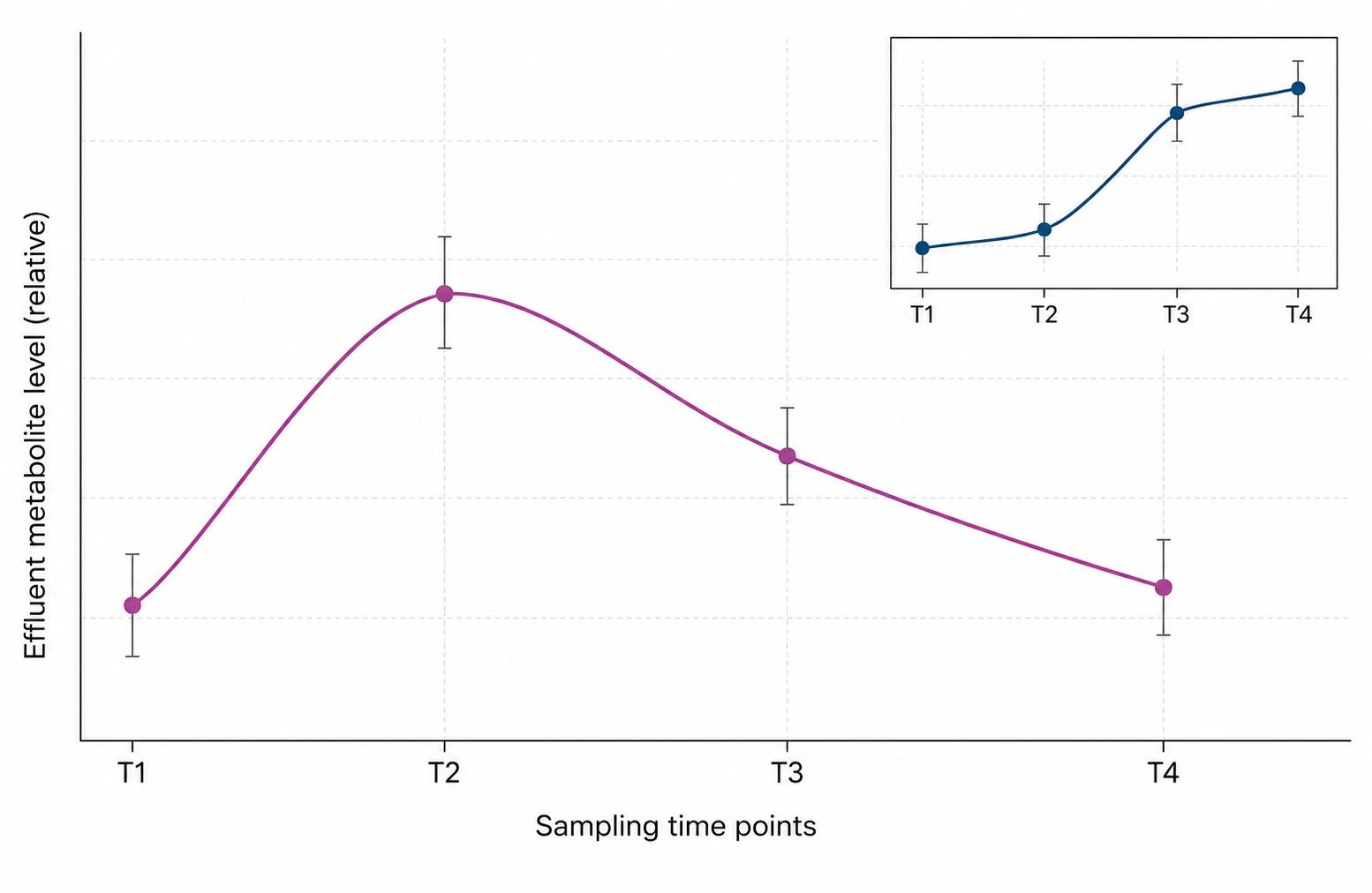
Endpoint analysis hides most of what an organ-on-a-chip experiment is designed to reveal. Drug conversion, metabolite accumulation and adaptive metabolic responses are kinetic processes; sampling the effluent at intervals turns a chip into a time-resolved assay.
- Repeat effluent collection — multiple time points from the same chip, supporting metabolite accumulation and depletion curves.
- Kinetics, not just snapshots — track the rise and fall of parent compounds and metabolites, and the timing of pathway engagement after treatment.
- Same-chip longitudinal design — compare time points within one chip to control chip-to-chip variability, and across chips for condition comparison.
- Dynamic readouts — metabolite production rates, clearance trends and response timing that support PK–PD and mechanism interpretation.
- Dead-volume time-lag correction — tubing and chamber dead volumes are factored into kinetics curves with flow-rate delay correction, so time-resolved readouts reflect the timing of cell metabolism rather than collection lag.
For studies requiring pathway turnover rather than steady-state levels, our metabolic flux analysis traces isotope-labeled precursors through the same chip samples.
Why Choose Our Organ-on-a-Chip Metabolomics Service?
We designed this service around what MPS projects require: microliter-level sensitivity, matrix-aware chemistry, and reproducible, interpretable data. Workflows are validated on chip-scale sample volumes and cell numbers before your project begins.
- Low-Volume Validated
Methods confirmed on µL-scale effluent and low-cell lysates, not scaled down from bulk protocols.
- Matrix-Aware
Medium-matched blanks and background filtering keep the protein- and salt-rich perfusate from confounding the biological dataset.
- Dual-Compartment
Effluent and intracellular metabolite analysis from the same experiment.
- Temporal by Design
Repeat sampling and kinetics support longitudinal, time-resolved study designs.
- QC-Transparent
Internal standard recovery, pooled QC RSD and batch drift reported in every project, with micro-scale normalization — flow-rate or total-ion-current normalization for effluent, and glucose/lactate or micro-scale protein assay normalization for low-cell samples.
- Analysis-Only
We analyze samples from the chip platform you already use; there is no requirement to adopt our hardware.
Organ-on-a-chip metabolomics requires instrumentation matched to microliter inputs and a complex biological matrix. Our platform pairs high-resolution discovery with triple-quadrupole accuracy, and each method is validated on microliter-scale effluent and low-cell samples before your project begins.
Analytical Platform
Untargeted discovery — Orbitrap or Q-TOF high-resolution mass spectrometry with polarity switching for comprehensive metabolite coverage from microliter inputs; MS/MS matched against HMDB, METLIN and in-house libraries.
Targeted quantification — Triple-quadrupole MRM panels with isotope-labeled internal standards for absolute quantification of parent drugs, metabolites and pathway intermediates.
Chromatography — Microflow and nanoflow LC with complementary HILIC and reversed-phase C18 columns, configured for small injection volumes and the polar-to-nonpolar span of chip samples.
Internal standards — Analyte-matched isotope-labeled internal standards spiked at extraction for matrix-effect correction and batch-drift control.
Method Performance (Typical)
| Parameter |
Typical Range |
| Calibration linearity |
R² ≥ 0.99 for targeted panels |
| Intraday precision |
CV ≤ 10% for the majority of analytes |
| Interday precision |
CV ≤ 15% across qualified matrices |
| Internal standard recovery |
80–120% for most analytes |
| Pooled QC monitoring |
RSD tracked across the run; drift-corrected and reported |
Organ-on-a-Chip Metabolomics Workflow — From Effluent Sample to Biological Report
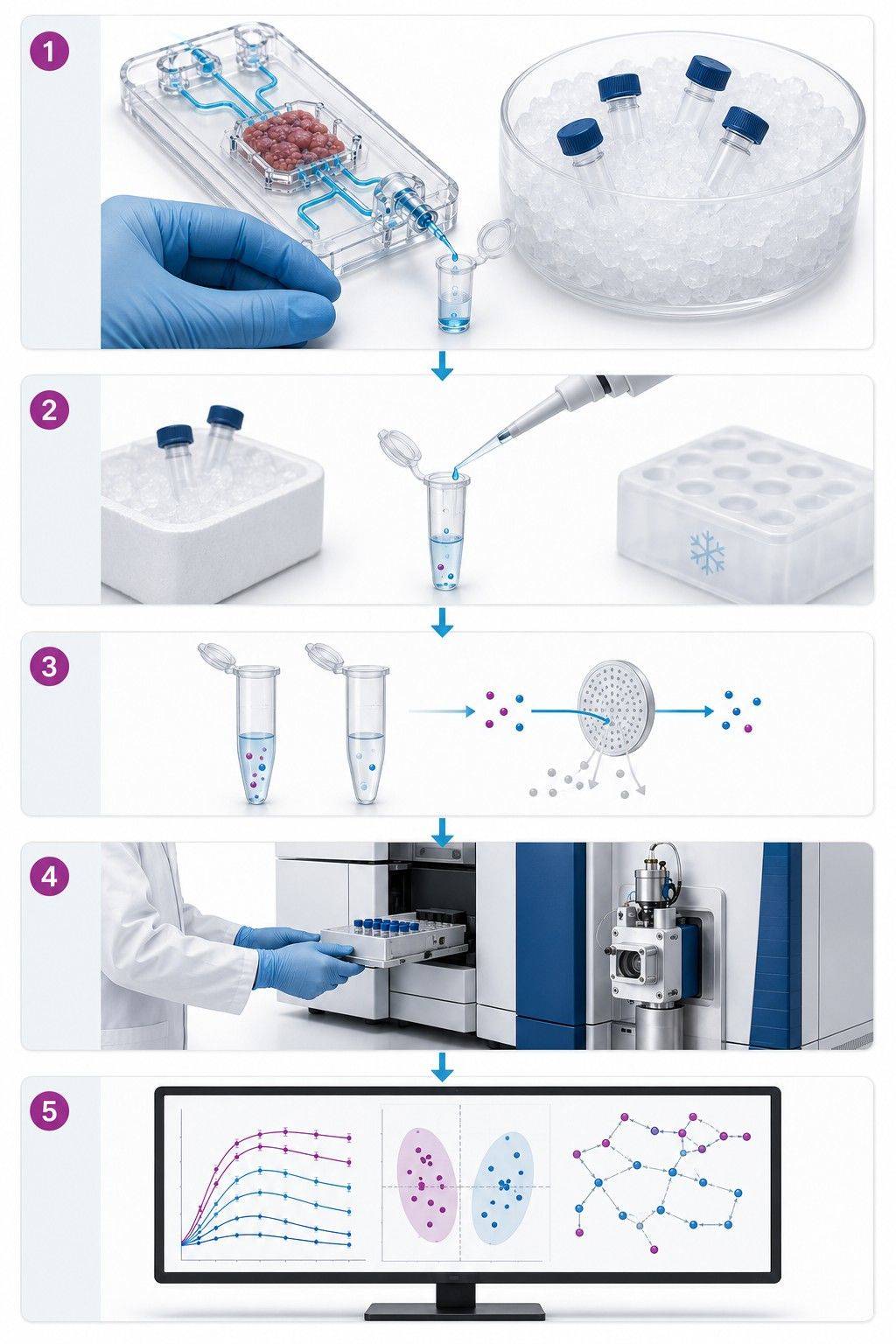
The workflow runs from sample receipt to an interpreted, kinetics-aware report, and each stage is validated on microliter-scale effluent and low-cell samples before your project begins.
Sample Requirements for Organ-on-a-Chip Metabolomics
| Sample Type |
Minimum Amount |
Preparation |
Storage and Shipping |
| Chip effluent / perfusate |
~50–100 µL per time point (validated low-volume methods) |
Collect into polypropylene tubes; avoid bubbles and dead-volume; medium-matched blank recommended at each time point |
Snap-freeze; −80°C; dry ice; indicate medium formulation |
| Intracellular lysate / cell pellet |
Low thousands of cells per sample |
Rapid cold-quench at harvest; wash with cold buffer; collect lysate from chip chambers; feasibility confirmed per platform |
−80°C; dry ice |
| Conditioned medium |
≥ 100 µL per sample |
Collect at defined intervals; remove debris by gentle centrifugation; record collection time for kinetics |
−80°C; dry ice |
| MPS tissue / organoid material |
Low tissue mass or low thousands of cells |
Snap-freeze immediately; record wet weight or cell count; avoid thawing before extraction |
−80°C; dry ice |
| Medium / matrix blank |
Volume matched to samples |
Unused medium from the same batch; stored identically to samples |
−80°C; dry ice |
Notes
- Send pre-collected effluent or lysates, or ask our scientists for a collection protocol matched to your chip platform before you start
- Sample requirements are confirmed with you up front so volumes, replicates and controls are agreed before the project begins
- Feasibility is confirmed against your chip's output volume and cell number before any commitment
- Organoids maintained in static ECM culture rather than on chip are analyzed through our organoid metabolomics service
Deliverables — Kinetic Data and Audit-Ready Reports for MPS Metabolomics
Each project delivers a standardized, audit-ready data package:
- Raw LC-MS data files — mzML and vendor format for all acquisitions
- Processed feature matrix — retention time, m/z, adduct assignment, per-sample intensities
- Annotated metabolite table — confidence levels and library matches
- Drug and metabolite quantification — calibration and internal standard recovery data
- Time-resolved kinetics plots — accumulation, depletion and drug-conversion curves
- Multivariate statistics — PCA/PLS-DA, volcano plots and pathway maps
- Written biological interpretation — findings linked to metabolism and drug-response hypotheses
- QC report — internal standard recovery, pooled QC RSD, batch drift and normalization documentation
Reports are structured so every reported value can be traced to its source measurement. For multi-chip or multi-condition MPS studies, our metabolomics data analysis team can extend the core deliverable with cohort-scale statistics and custom visualization.
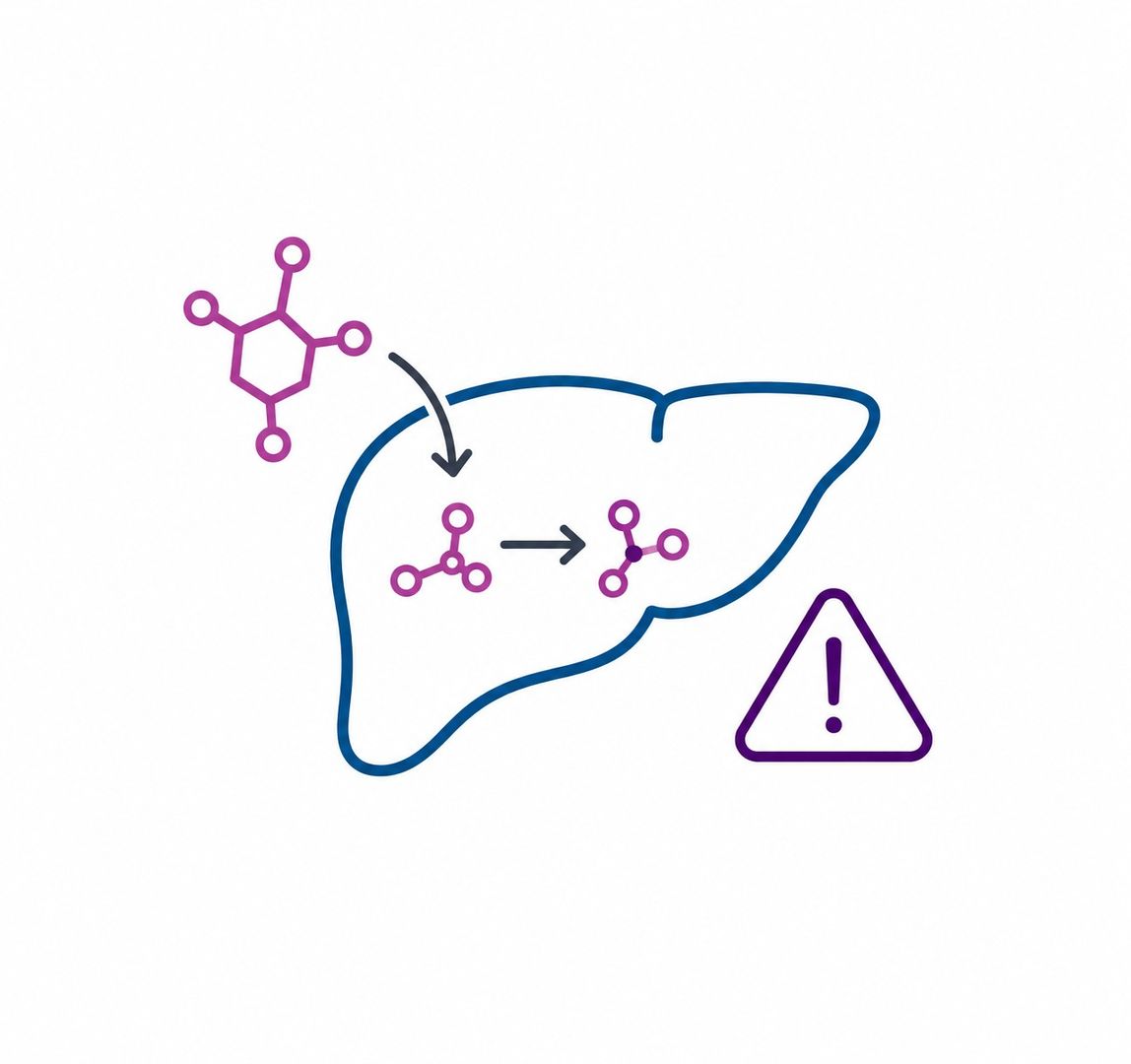
The most common reason customers bring us their MPS samples is drug metabolism. A chip's combination of flow, polarity and multi-cell composition reproduces first-pass metabolism and organ crosstalk that static assays miss — and LC-MS is the platform for reading the products.
Parent Drug and Metabolite Tracking
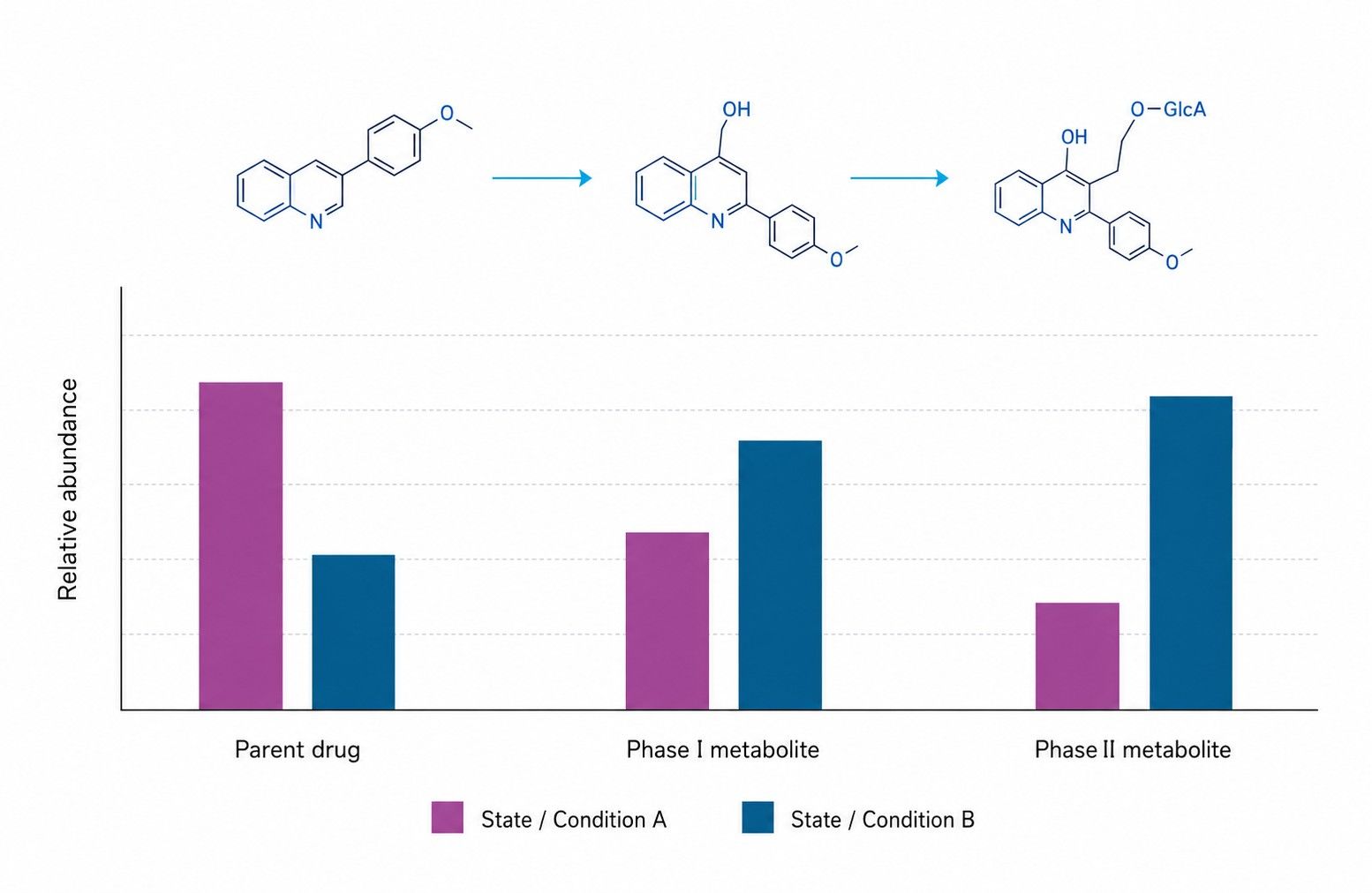
Quantitative LC-MS/MS panels monitor the parent compound and its Phase I and Phase II products — hydroxylated, dealkylated, glucuronidated and sulfated species — using isotope-labeled internal standards and multi-point calibration.
Metabolism-Dependent Toxicity and Drug-Drug Interaction
Whether a drug is bioactivated into a toxic species is read from downstream metabolite markers, and metabolite profiles across co-dosing conditions reveal whether one compound alters another's clearance or activation.
DILI-Relevant Markers
For liver chips, profiles can include bile acids and other injury-associated intermediates alongside the drug pathway, supporting drug-induced liver injury assessment.
Every readout is delivered as decision-grade data with QC benchmarks, so metabolism and toxicity conclusions rest on reproducible measurements rather than peak-area guesses. For broader safety-screening programs, our drug toxicity assessment services extend the same analytical rigor across study designs.
| Analyte Class |
Representative Analytes |
Biological Context |
| Parent drug and Phase I/II metabolites |
Parent compound; hydroxylated, dealkylated, glucuronidated and sulfated products |
First-pass metabolism, bioactivation, clearance trends |
| Amino acids and central carbon |
Alanine, glutamine, glutamate, glycine, lactate, pyruvate, TCA intermediates |
Energy metabolism, nitrogen balance, metabolic stress |
| Nucleotides and energy |
ATP, ADP, AMP, nucleosides, purine and pyrimidine pools |
Energy charge, proliferation, DNA-damage response |
| Lipids and bile acids |
Phospholipids, sphingolipids, glycerolipids, bile acid species |
Membrane remodeling, hepatobiliary function, DILI markers |
| Secreted mediators |
Conditioned-medium and effluent metabolite patterns, small-molecule effectors |
Extracellular signaling and tissue crosstalk |
Multi-Organ and MPS Applications of Effluent Metabolomics
The analytical challenges stay the same; the biology scales across organ models. Our workflows accept samples from single-organ chips and multi-organ-on-a-chip (MOoC) configurations alike.
Multi-Organ-on-a-Chip: Gut–Liver Axis
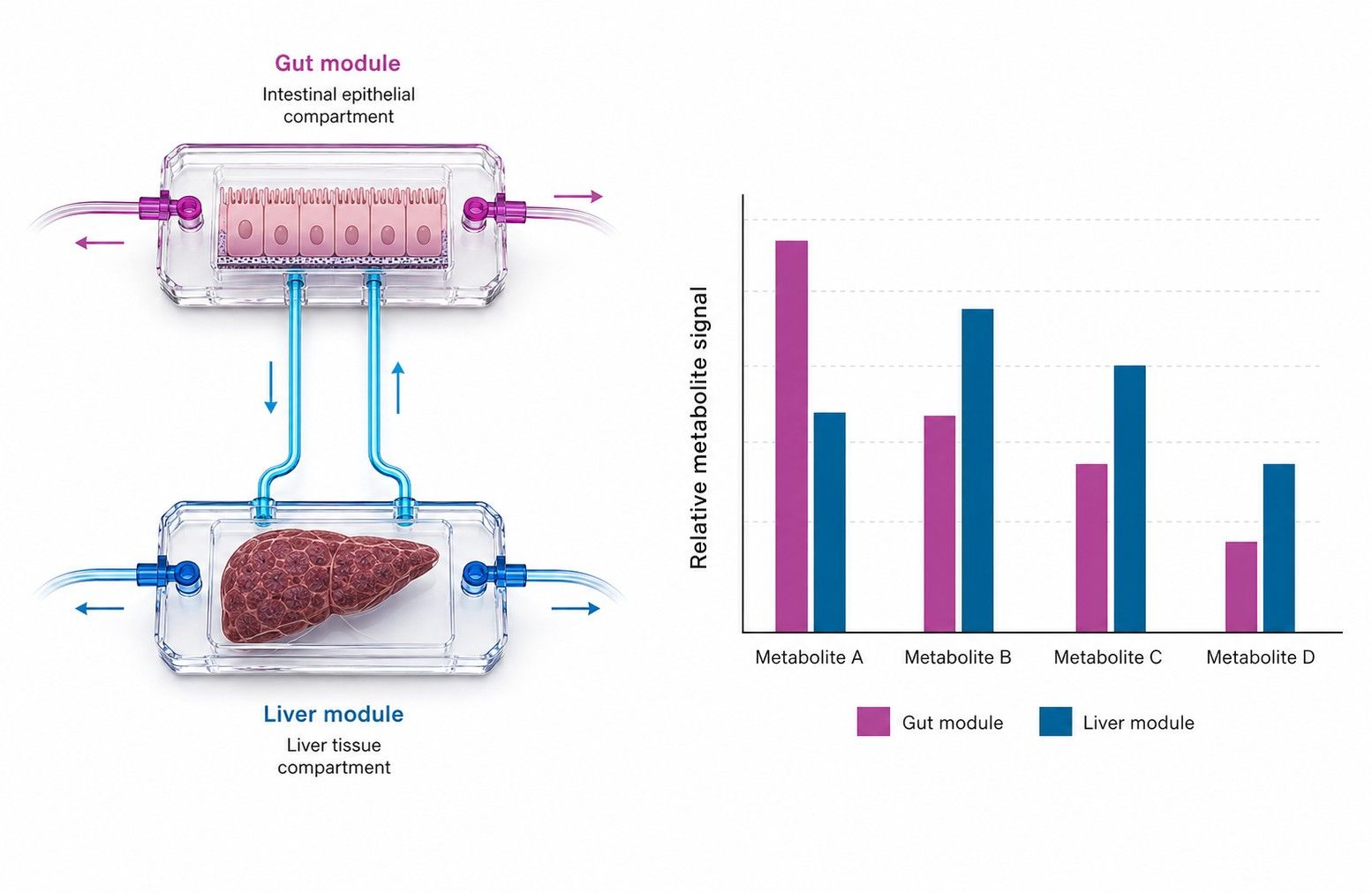
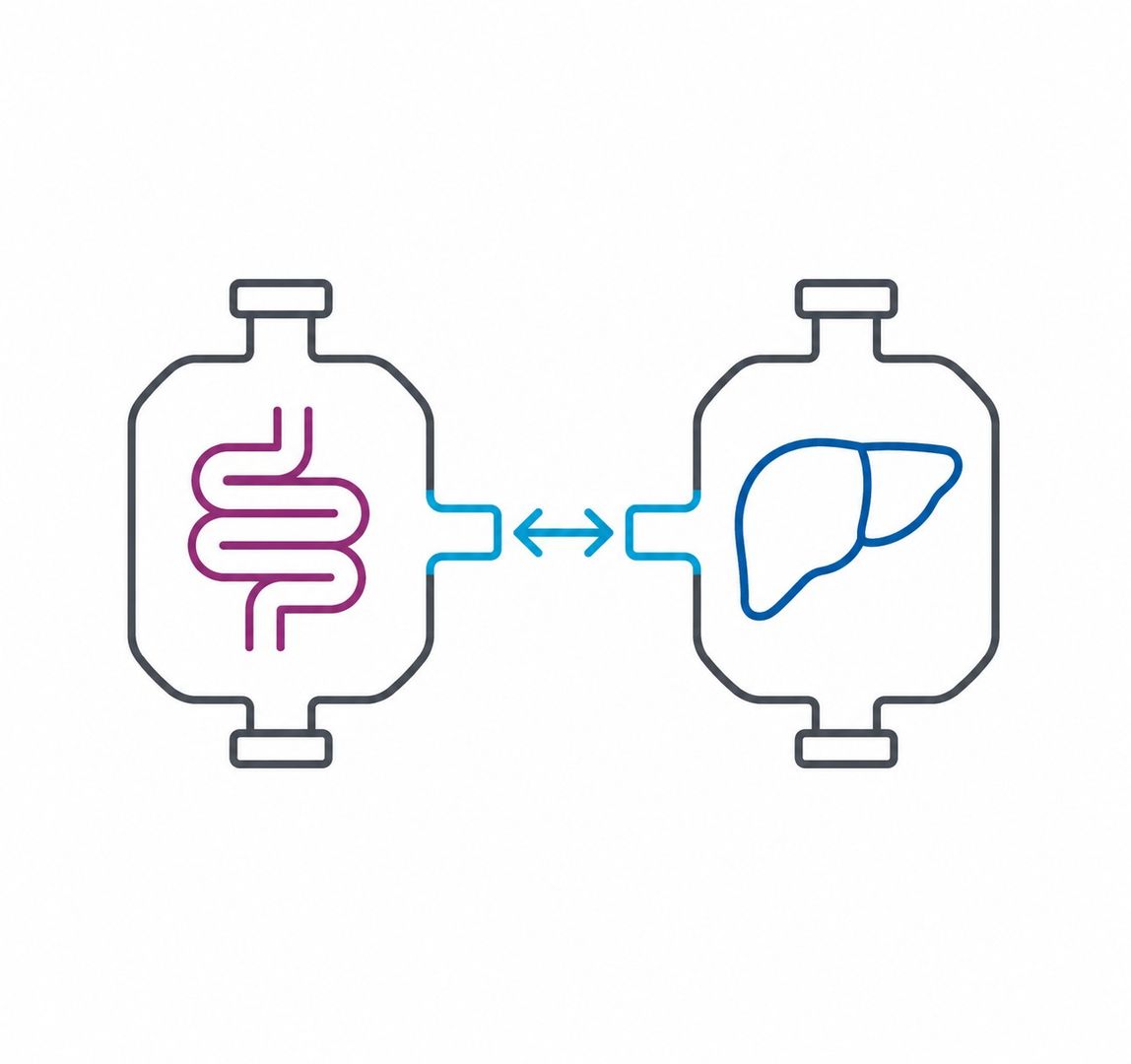
Gut–liver axis studies track first-pass metabolism, microbiome–drug interplay and enterohepatic recycling across coupled gut and liver modules — the configuration where effluent metabolomics adds the most.
Single-Organ Chip Models
Liver-on-a-chip models support drug metabolism, DILI and hepatic function readouts from hepatocyte or multi-cell liver models; kidney, heart and lung chips provide barrier function, toxicity and metabolic response readouts from perfused organ models.
Disease and Mechanism Models
Metabolic phenotyping of disease-relevant chips supports preclinical mechanism research, profiling metabolic state across the chip's disease model.
Where metabolite localization within a chip is required, spatial metabolomics (MALDI-MSI) maps molecular distributions across chip sections; for cell-level heterogeneity, single-cell metabolomics profiles individual cells within the same model. Our multi-organ projects pair standardized low-volume workflows with study-design support so biological conclusions, not analytical artifacts, drive the data.
Effluent Metabolomics Reveals Microbiome-Driven Drug Metabolism Along the Gut–Liver Axis
Background
Drug metabolism does not happen in one organ. A compound absorbed in the gut reaches the liver for first-pass processing, and gut microbes can modify both the drug and its metabolites along the way. A published multi-organ-on-a-chip (MOoC) study set out to reproduce this gut–liver axis in vitro and ask a clinically relevant question: can resident gut bacteria reactivate an inactive drug metabolite into a toxic form?
Challenge:
Recapitulate the gut–liver axis on chip and determine whether microbial activity changes the balance of an inactive drug metabolite and its toxic form.
Analytical Approach
The study coupled the human microbial-crosstalk (HuMiX) gut-on-chip with a Dynamic42 liver-on-chip into a fluidically linked multi-organ-on-a-chip, and used LC-MS/MS to track irinotecan — a widely used colorectal cancer drug — and its metabolites in the chip system. Irinotecan, the inactive glucuronide SN-38G, and the active toxic form SN-38 were monitored as the platform simulated first-pass metabolism along the gut–liver axis.
Key Findings (from the published study)
| Finding |
Evidence |
| Gut–liver axis recapitulated on chip |
Coupled gut and liver modules maintained cell viability and function, reproducing first-pass metabolism |
| Irinotecan metabolism tracked by LC-MS/MS |
Parent drug and metabolite products monitored through the perfused system |
| Microbiome-driven reactivation |
Gut-resident Escherichia coli converted the inactive SN-38G back into the toxic SN-38 |
| Toxicity implication |
Microbial conversion reveals a mechanism by which drug toxicity depends on the microbiome, not just the host |
What this means for your MPS program:
- Effluent metabolomics turns a chip into a functional assay for drug metabolism and toxicity, not just a viability readout.
- Microbiome–drug interactions are directly observable in coupled gut–liver configurations — relevant to DDI and toxicity study design.
- LC-MS/MS of parent drug and metabolites gives you the mechanistic data behind efficacy and adverse-effect hypotheses.
- The same workflow supports time-resolved sampling, so conversion kinetics are captured rather than endpoint snapshots.
- Decision-ready metabolite data strengthens go/no-go decisions with auditable, quantified evidence.
Conclusion
This published example shows how MPS effluent metabolomics exposes the mechanistic link between gut microbes and drug metabolism — the same low-volume, matrix-aware workflow we run for organ-on-a-chip customer projects.
Reference
- Lucchetti, M., Aina, K.O., Grandmougin, L., Jäger, C., Pérez Escriva, P., Letellier, E., Mosig, A.S., Wilmes, P.
An Organ-on-Chip Platform for Simulating Drug Metabolism Along the Gut–Liver Axis. Advanced Healthcare Materials 13(20): e2303943 (2024).
An Organ-on-Chip Platform for Simulating Drug Metabolism Along the Gut–Liver Axis
Lucchetti, M., Aina, K.O., Grandmougin, L., Jäger, C., Pérez Escriva, P., Letellier, E., Mosig, A.S., Wilmes, P.
Journal: Advanced Healthcare Materials
Year: 2024
DOI:
https://doi.org/10.1002/adhm.202303943
Organoids, organ-on-a-chip, separation science and mass spectrometry: An update
Kogler, S., Kømurcu, K.S., Olsen, C., Shoji, J., Skottvoll, F.S., Krauss, S., Wilson, S.R., Røberg-Larsen, H.
Journal: TrAC Trends in Analytical Chemistry
Year: 2023
DOI:
https://doi.org/10.1016/j.trac.2023.116996
Normalization of organ-on-a-Chip samples for mass spectrometry based proteomics and metabolomics via Dansylation-based assay
Gallagher, E.M., et al.
Journal: Toxicology in Vitro
Year: 2023
DOI:
https://doi.org/10.1016/j.tiv.2022.105540


 Contact Us